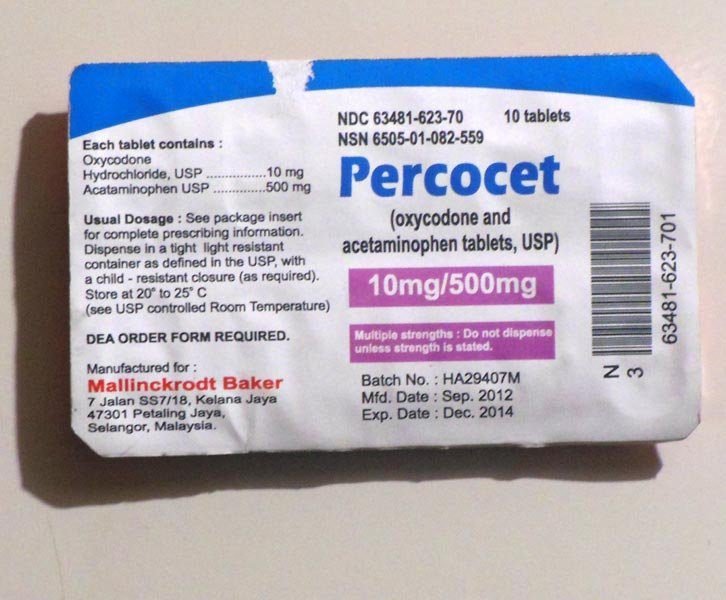
Description
Percocet Generic: Oxycodone and Acetaminophen Uses, Safety, Side Effects & Prescription Information
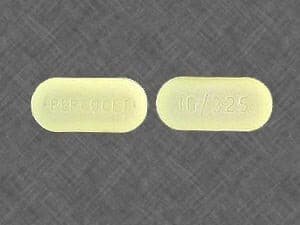
Get Percocet 30mg Generic, Percocet is a prescription pain medicine containing oxycodone and acetaminophen. Oxycodone is an opioid pain reliever, while acetaminophen provides additional pain-relieving effects. The combination may be prescribed when pain is severe enough to require an opioid and alternative treatments are not adequate.
Because oxycodone is a potent opioid, Percocet carries important safety considerations, including the potential for misuse, addiction, physical dependence, sedation and potentially life-threatening respiratory depression. It should only be used by the person for whom it was prescribed and according to the directions provided by a qualified healthcare professional.
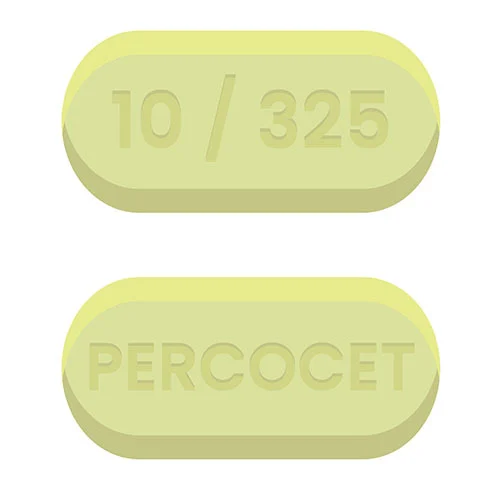
It is also important to understand that Percocet strengths are expressed using the amounts of both oxycodone and acetaminophen. Therefore, a search term such as “Percocet 30 mg” does not by itself identify a complete formulation or establish that a particular product is an approved Percocet product. The FDA’s historical labeling, for example, identifies specific oxycodone/acetaminophen strengths rather than simply “30 mg Percocet.”
What Is Percocet?
Percocet is a combination prescription medicine containing oxycodone and acetaminophen.
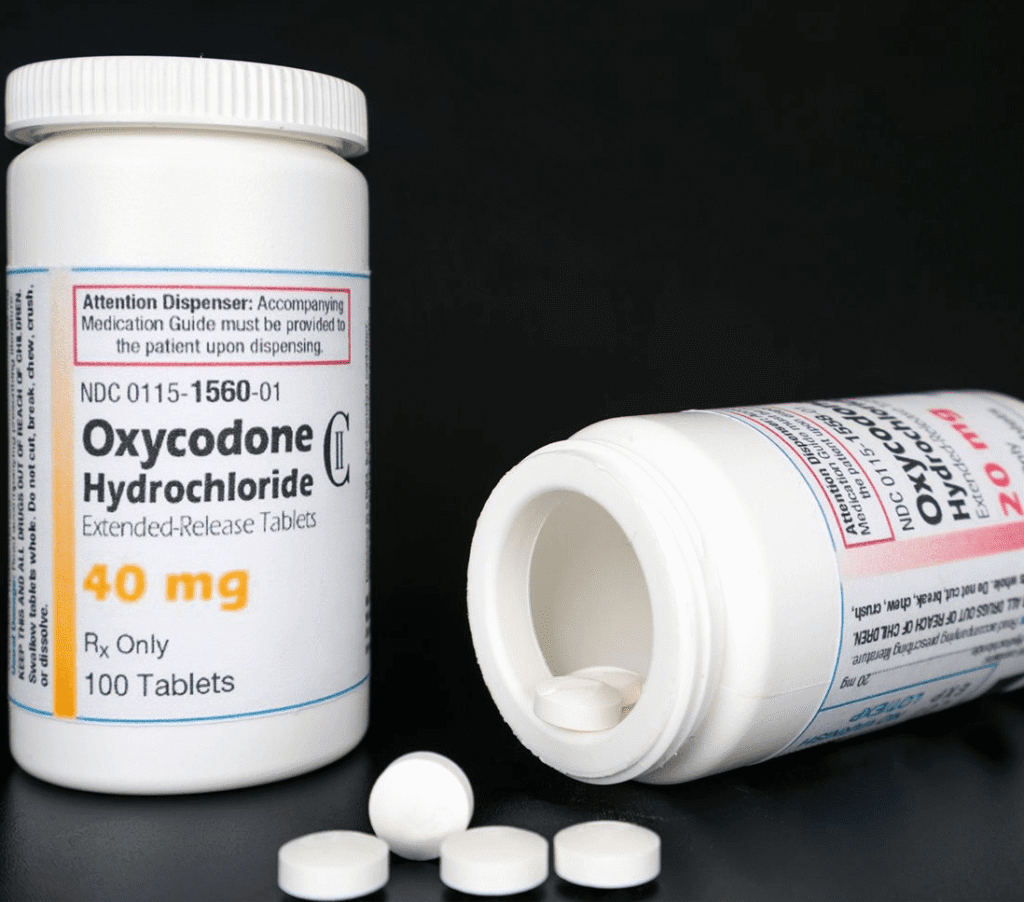
Oxycodone belongs to a group of medicines called opioids. Opioids act on receptors in the nervous system and can reduce the perception of pain. Acetaminophen, known as paracetamol in the UK and many other countries, is a non-opioid pain reliever.
The two ingredients work through different mechanisms, allowing the combination to provide pain relief for appropriate patients.
Oxycodone is generally reserved for pain that is sufficiently severe to require opioid treatment when other options have not provided adequate relief. NHS guidance similarly describes oxycodone as an opioid used for severe pain and notes that it is prescription-only in the UK.
What Is Percocet Used For?
Percocet may be prescribed for pain severe enough to require an opioid analgesic.
Depending on the patient’s circumstances, opioid pain medicines may be considered following significant injury, surgery or other medical conditions associated with substantial pain.
The FDA states that Percocet is indicated for pain severe enough to require an opioid analgesic when alternative treatments are inadequate.
Treatment should be based on an individual medical assessment. A healthcare professional may consider:
- The cause of the pain
- The severity of the pain
- Previous pain treatments
- Other medicines being taken
- Previous opioid exposure
- Liver and kidney function
- Respiratory conditions
- Potential risks of dependence or misuse
Understanding Percocet Strengths
One of the most important points when researching Percocet online is that the product strength should not be described only by the oxycodone amount.
A combination tablet contains two active ingredients, so the complete strength identifies both components.
For example, FDA documentation for an older Percocet formulation identifies oxycodone and acetaminophen together, rather than describing the product solely by the oxycodone number.
This distinction matters because different oxycodone/acetaminophen products can contain different amounts of each ingredient.
Patients should therefore check the prescription label and packaging carefully rather than relying on an internet product title.
Percocet 30 mg: What Does It Mean?
The phrase “Percocet 30 mg” can be ambiguous because it does not specify the amount of acetaminophen or establish the complete formulation.
A product marketed online simply as “Percocet 30 mg” should therefore be approached cautiously. The complete active-ingredient strength, manufacturer, regulatory status and prescription information should be verified.
Do not assume that a tablet marketed online under the Percocet name is equivalent to a legitimate prescription product.
The FDA has taken enforcement action against websites marketing purported oxycodone/acetaminophen products without approved applications, demonstrating why consumers should be cautious about online sources.
How Is Percocet Taken?
Percocet should be taken exactly as prescribed.
The appropriate dose depends on the specific formulation, the patient’s medical history, previous opioid exposure, pain severity and response to treatment.
Patients should never increase the dose independently because their pain has become worse.
They should also avoid taking additional medicines containing acetaminophen unless a doctor or pharmacist has confirmed that doing so is appropriate. Taking multiple acetaminophen-containing medicines can unintentionally increase total acetaminophen exposure.
NHS guidance similarly warns that taking additional paracetamol-containing medicines can result in taking too much and potentially causing liver damage.
Acetaminophen and Liver Safety
Acetaminophen is generally safe when used appropriately, but excessive amounts can cause serious liver injury.
This is particularly important with combination opioid products because patients may not always realise that acetaminophen is already included in their prescription.
Before taking Percocet, tell your doctor if you:
- Have liver disease
- Have previously had liver problems
- Regularly consume large amounts of alcohol
- Take other medicines containing acetaminophen
- Use over-the-counter cold or flu medicines
NHS information on paracetamol specifically warns against taking additional medicines containing paracetamol because this can result in an overdose.
If you believe you have taken more acetaminophen than recommended, seek urgent medical advice even if you feel well, because significant liver damage may not initially produce obvious symptoms.
Common Side Effects
Because Percocet contains oxycodone, many of its side effects are associated with opioid activity.
Possible side effects include:
- Drowsiness
- Sleepiness
- Dizziness
- Nausea
- Vomiting
- Constipation
- Confusion
- Itching
- Headache
- Reduced alertness
NHS guidance lists constipation, nausea, vomiting, sleepiness, tiredness, dizziness, confusion, headaches and itchy skin or rash among common oxycodone side effects.
Patients should avoid driving or operating machinery if the medicine makes them sleepy or dizzy.
Serious Side Effects
Some adverse effects require urgent medical attention.
One of the most serious risks associated with oxycodone is respiratory depression, in which breathing becomes slow, weak or shallow.
Other serious reactions can include:
- Severe sedation
- Loss of consciousness
- Very low blood pressure
- Severe confusion
- Serious allergic reaction
- Difficulty breathing
The NHS identifies slow, weak or shallow breathing as a serious possible adverse effect of oxycodone.
If someone taking an opioid becomes extremely difficult to wake or develops severe breathing difficulties, emergency medical assistance should be sought immediately.
Percocet and Alcohol
Alcohol can increase the sedative effects associated with opioid medicines.
Combining oxycodone with alcohol can increase the risk of excessive sedation and other serious complications.
For this reason, patients should follow the advice of their doctor or pharmacist regarding alcohol and should not assume that drinking alcohol while taking Percocet is safe.
The NHS advises avoiding alcohol with oxycodone because it can increase sleepiness and the risk of serious side effects.
Percocet and Other Medicines
Percocet can interact with other medicines.
Particular caution may be necessary when oxycodone is combined with other substances that depress the central nervous system.
These may include:
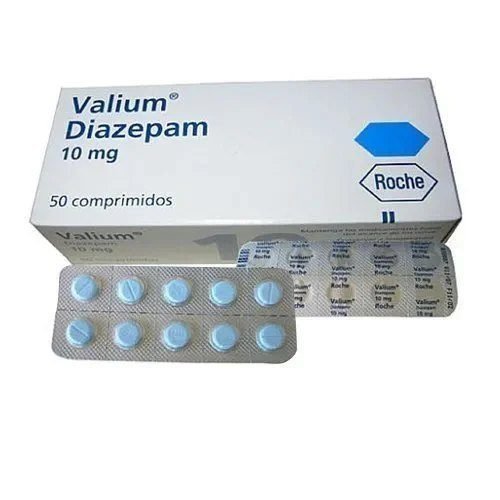
- Benzodiazepines
- Other opioid painkillers
- Sleeping medicines
- Certain anxiety medicines
- Some antihistamines
- Gabapentin
- Pregabalin
- Certain antidepressants
- Recreational drugs
The FDA warns that combining opioids with benzodiazepines or other central nervous system depressants can increase the risk of profound sedation, respiratory depression, coma and death.
Always tell your doctor and pharmacist about prescription medicines, over-the-counter medicines, supplements and recreational substances.
Dependence and Addiction
Oxycodone can cause physical dependence and addiction.
Physical dependence can develop when the body adapts to regular opioid exposure. If the medicine is stopped suddenly after prolonged use, withdrawal symptoms may occur.
Addiction is different from physical dependence and involves compulsive use despite harmful consequences.
The FDA states that addiction, abuse and misuse can occur with Percocet even when opioids are used at recommended doses.
NHS guidance also notes that long-term oxycodone use can result in dependence and that treatment should not be stopped suddenly without medical guidance.
Stopping Percocet
People who have been taking oxycodone regularly should not suddenly discontinue treatment without speaking with their healthcare professional.
Withdrawal symptoms may include:
- Anxiety
- Restlessness
- Sweating
- Difficulty sleeping
- Nausea
- Muscle aches
- Abdominal discomfort
- Increased pain
- Irritability
A doctor can create an appropriate reduction plan when discontinuation is medically appropriate.
NHS guidance recommends gradual reduction rather than suddenly stopping long-term oxycodone treatment.
Percocet Overdose
Taking more Percocet than prescribed can result in two major risks: opioid toxicity from oxycodone and liver toxicity from acetaminophen.
Possible opioid-overdose symptoms include:
- Extreme sleepiness
- Difficulty waking
- Slow or shallow breathing
- Loss of consciousness
- Confusion
- Severe weakness
An acetaminophen overdose can cause serious liver injury and may initially produce few symptoms.
Anyone who believes they have taken too much should seek urgent medical advice rather than waiting for symptoms to develop.
Who Should Discuss Percocet Carefully With a Doctor?
Percocet may require particular caution in people with certain medical conditions.
Tell your doctor if you have:
- Liver disease
- Kidney disease
- Asthma or another respiratory condition
- Low blood pressure
- A head injury
- Thyroid problems
- A history of alcohol or drug dependence
where to buy Percocet in Canada,
where to buy Percocet in Brazil,
Percocet generic, generic Percocet, Percocet UK, Percocet prescription UK, Percocet pharmacy UK, Percocet price UK, Percocet cost UK, Percocet availability UK, Percocet tablets UK, Percocet oxycodone acetaminophen UK, Percocet prescription pharmacy, Percocet private prescription UK, Percocet pharmacy delivery UK, Percocet Germany, Percocet prescription Germany

Reviews
There are no reviews yet.