Description
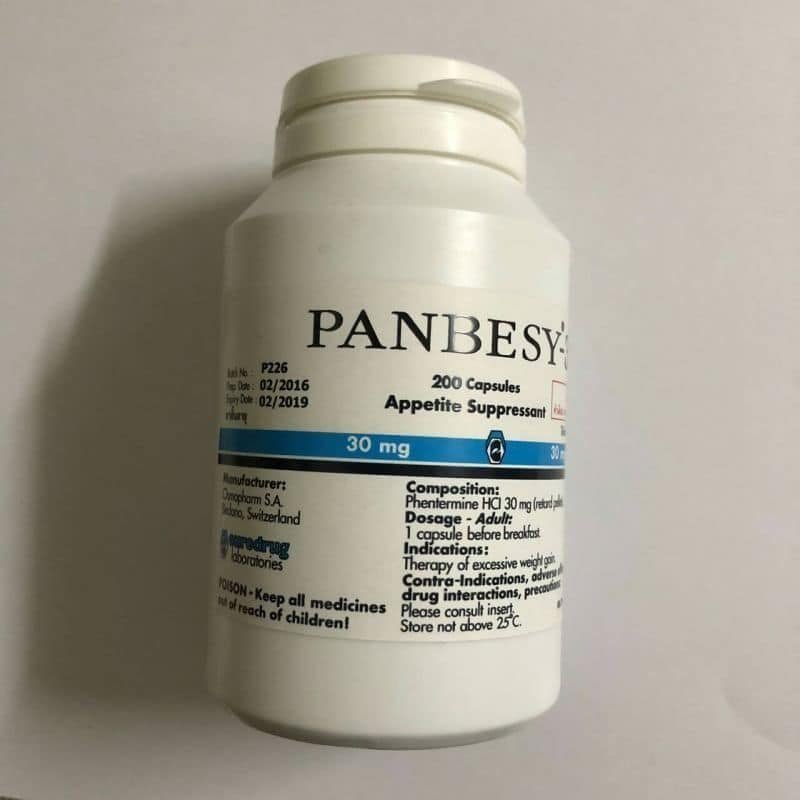
Purchase Panbesy 30mg Online
Buy Panbesy 30mg Online, is employed to manage exogenous obesity in overweight or obese patients who have additional risk factors, such as diabetes, hypertension and hyperlipidemia.
Panbesy 30mg helps a patient not to feel acute hunger attacks that are common when limiting your usual nutrition plan.
Panbesy 30mg – Uses, Side Effects, Precautions and Safety Information
Panbesy 30mg is a medicine containing phentermine hydrochloride, a sympathomimetic medicine that has been used as an appetite suppressant in the management of obesity. Because phentermine can affect the cardiovascular and central nervous systems, its use requires appropriate medical assessment and supervision.
This guide provides general information about Panbesy 30mg, including its intended medical use, potential side effects, precautions, contraindications and important safety considerations.
What Is Panbesy 30mg?
Panbesy 30mg is a formulation containing 30 mg of phentermine hydrochloride. Phentermine belongs to a class of medicines that stimulate the release of certain neurotransmitters, including norepinephrine. This activity can reduce feelings of hunger and may help some patients follow a calorie-controlled dietary program.
Phentermine is generally considered an adjunct to dietary, behavioral and lifestyle measures rather than a standalone treatment for obesity. The appropriate treatment approach depends on an individual’s medical history, weight-related health risks and other medications.
Because Panbesy affects the nervous and cardiovascular systems, it should only be used according to the directions of a qualified healthcare professional.
How Does Panbesy Work?
Phentermine has sympathomimetic activity, meaning that it can produce effects similar to stimulation of the sympathetic nervous system. One of its principal actions is increasing the activity of norepinephrine, a neurotransmitter involved in appetite regulation and the body’s alertness response.
The resulting reduction in appetite may make it easier for some patients to maintain a calorie-restricted diet.
The medication does not replace healthy nutrition, physical activity or long-term weight-management strategies. Medical professionals generally consider appetite-suppressant medication alongside broader lifestyle interventions.
What Is Panbesy 30mg Used For?
Panbesy 30mg may be prescribed as part of a medically supervised weight-management program for appropriate patients with obesity.
Treatment decisions can depend on factors such as:
- Body weight and body mass index
- Existing obesity-related medical conditions
- Cardiovascular health
- Blood pressure
- Other medications being taken
- Previous weight-management attempts
- Individual risk factors
The suitability of phentermine varies from person to person. A healthcare professional should determine whether this type of medication is appropriate.
Potential Side Effects of Panbesy 30mg
Like other medicines that stimulate the sympathetic nervous system, phentermine can cause side effects. Some effects are related to increased stimulation of the cardiovascular and central nervous systems.
Possible side effects include:
- Increased heart rate
- Elevated blood pressure
- Palpitations
- Nervousness
- Restlessness
- Irritability
- Difficulty sleeping
- Dry mouth
- Headache
- Dizziness
- Nausea
- Vomiting
- Constipation or gastrointestinal discomfort
- Changes in taste
- Fatigue
- Blurred vision
Some patients may experience stronger or less common reactions, including confusion, mood changes, irregular heartbeat or other cardiovascular symptoms.
Severe or unexpected symptoms should be discussed promptly with a healthcare professional.
Cardiovascular Effects
Phentermine can increase sympathetic nervous system activity and may consequently affect heart rate and blood pressure.
People with cardiovascular disease, uncontrolled hypertension or other significant heart-related conditions may require particular caution or may be advised not to use phentermine.
Anyone experiencing severe chest discomfort, fainting, significant shortness of breath or a sustained rapid or irregular heartbeat should seek urgent medical attention.
Effects on Sleep and Mood
Because phentermine has stimulant-like properties, taking it later in the day may interfere with sleep. Insomnia, nervousness, restlessness and irritability are recognized potential effects.
Some people may also experience changes in mood or mental state. Unusual agitation, confusion, severe anxiety, hallucinations or other significant behavioral changes warrant medical assessment.
Dependence and Misuse Considerations
Phentermine is a centrally acting stimulant and has potential for misuse, dependence and psychological or physical complications when used improperly.
Long-term or inappropriate use should not be undertaken without medical supervision. Taking larger amounts than prescribed does not necessarily improve weight-management outcomes and can increase the risk of adverse effects.
Patients should never share their medication with another person, even if that person has similar weight-management concerns.
How Is Panbesy 30mg Taken?
The appropriate dose and treatment duration should be determined by a healthcare professional.
Phentermine products are commonly administered earlier in the day because their stimulant properties can interfere with sleep. Patients should follow the specific instructions supplied with their prescription rather than changing the dose or timing independently.
Panbesy should not be used in children unless specifically prescribed under appropriate medical guidance. Age restrictions and approved indications can vary according to the country and product formulation.
Who May Need to Avoid Panbesy?
Phentermine may be unsuitable for people with certain medical conditions or medication combinations.
Important contraindications and precautions can include:
- Significant cardiovascular disease
- Uncontrolled or severe hypertension
- Hyperthyroidism
- Glaucoma
- Certain vascular disorders
- Significant agitation or anxiety
- A history of substance misuse requiring clinical consideration
- Allergy to phentermine or related ingredients
- Use of certain monoamine oxidase inhibitors
- Certain other stimulant or sympathomimetic medicines
A complete medication and medical-history review should therefore be performed before treatment begins.
Drug Interactions
Panbesy can interact with other medicines. Particularly important interactions may involve medications that affect the cardiovascular system, nervous system or neurotransmitter activity.
Healthcare professionals should be informed about all prescription medicines, over-the-counter products and supplements being used.
Particular attention may be required when phentermine is combined with:
- Certain antidepressants
- Monoamine oxidase inhibitors
- Other stimulant medicines
- Sympathomimetic medicines
- Some blood-pressure medications
- Medicines affecting blood glucose
- Other weight-management medications
Patients should not assume that a non-prescription medicine or supplement is automatically safe to combine with phentermine.
Panbesy and High Blood Pressure
Blood-pressure monitoring can be important during treatment because phentermine may increase blood pressure or heart rate.
People who already have hypertension should discuss their condition with a healthcare professional before taking phentermine. Diabetes management may also require monitoring because dietary changes and weight loss can affect blood-glucose requirements.
Panbesy and Weight Management
Medication alone is not a substitute for sustainable weight-management practices.
A comprehensive approach can include:
- A nutritionally appropriate diet
- Regular physical activity
- Adequate sleep
- Behavioral changes
- Monitoring of body weight
- Blood-pressure monitoring where appropriate
- Management of related medical conditions
The goal of treatment should be determined with a healthcare professional based on individual health needs rather than simply focusing on rapid weight loss.
What Should You Do If You Miss a Dose?
Patients should follow the instructions supplied with their prescription. Taking additional medication to compensate for a missed dose can increase the risk of adverse effects.
If there is uncertainty about a missed dose, a pharmacist or prescribing clinician can provide appropriate guidance.
Panbesy 30mg Safety Information
Panbesy should be kept securely and used only by the person for whom it was prescribed. Medication should be stored according to the product’s labeling and kept away from children.
Do not alter the prescribed dose without professional advice. Because phentermine can affect alertness, cardiovascular function and sleep, patients should understand how they personally respond to the medicine before undertaking activities requiring full attention.
Frequently Asked Questions
Is Panbesy 30mg a weight-loss medicine?
Panbesy contains phentermine hydrochloride, an appetite-suppressant medicine that may be used as part of a medically supervised weight-management program for appropriate patients.
Can Panbesy cause insomnia?
Yes. Because phentermine has stimulant-like effects, difficulty sleeping can occur. Medical guidance commonly takes the timing of administration into account.
Can Panbesy increase blood pressure?
Phentermine can increase blood pressure and heart rate in some people. Individuals with hypertension or cardiovascular conditions should discuss the risks with their healthcare professional.
Can Panbesy interact with other medicines?
Yes. Phentermine can interact with certain medicines, including some antidepressants, stimulants, sympathomimetic drugs and monoamine oxidase inhibitors. A complete medication review is important before treatment.
Is Panbesy suitable for everyone who wants to lose weight?
No. Prescription appetite suppressants are not appropriate for everyone. Medical history, cardiovascular health, current medicines and other risk factors should be considered before treatment.
Final Considerations
Panbesy 30mg contains phentermine hydrochloride, a sympathomimetic appetite suppressant used in certain medically supervised weight-management situations. Its effects on appetite are associated with changes in central nervous system and sympathetic activity, which can also produce cardiovascular and neurological side effects.
Potential concerns include increased blood pressure, elevated heart rate, insomnia, nervousness, palpitations and, in some circumstances, more serious cardiovascular or psychiatric reactions. Drug interactions and underlying medical conditions can further affect its safety.
Anyone considering phentermine should obtain individualized advice from a qualified healthcare professional and use the medicine exactly as prescribed.



Reviews
There are no reviews yet.