Description
Buy Oxycodone online UK
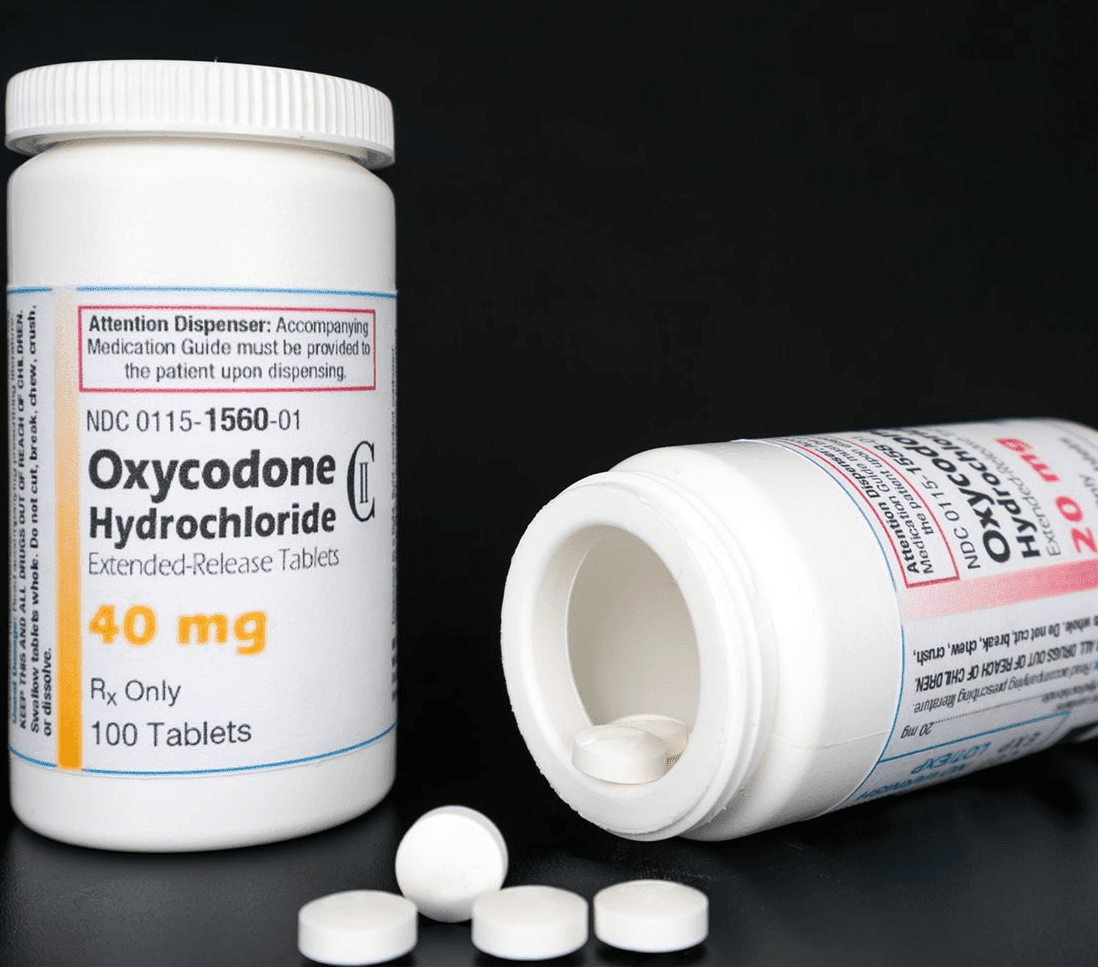
Buy oxycodone online UK. Oxycodone hydrochloride is part of a group of drugs known as opioids. Opioids interact with opioid receptors in the brain and elicit a range of responses within the body, from feelings of pain relief to relaxation, pleasure, and contentment.
Oxycodone UK: Uses, Dosage, Side Effects, Safety & Prescription Information
Oxycodone is a strong opioid painkiller prescribed for moderate to severe pain when other pain-relieving medicines may not provide adequate relief. In the UK, oxycodone is available only on prescription and is used under medical supervision because of its potential for dependence, misuse, sedation and respiratory depression.
People searching online for terms such as “oxycodone UK,” “oxycodone tablets,” “oxycodone 30mg,” or “oxycodone prescription” should understand that this is a controlled prescription medicine and should only be obtained through a legitimate prescribing and dispensing process.
What Is Oxycodone?
Oxycodone is an opioid analgesic that acts on opioid receptors in the central nervous system to reduce the perception of pain.
Doctors may prescribe oxycodone for severe pain following surgery or serious injury, as well as certain types of cancer-related pain and other situations where a strong opioid is clinically appropriate. The NHS notes that oxycodone may be used when other painkillers, including medicines such as paracetamol or ibuprofen, have not adequately controlled pain.
Oxycodone can be supplied in different formulations, including standard-release and prolonged-release preparations. These formulations are not interchangeable on a simple milligram-for-milligram basis, which is one reason patients should follow the exact prescription and packaging instructions supplied with their medicine.
Oxycodone UK Prescription Information
In the United Kingdom, oxycodone is a prescription-only opioid medicine. It is not appropriate to purchase oxycodone from unverified websites or sources that do not require a legitimate prescription.
A doctor considers several factors before prescribing an opioid, including:
- The cause and severity of pain
- Previous pain medicines
- Previous opioid exposure
- Other medical conditions
- Other medicines being taken
- Kidney and liver function
- The expected duration of treatment
- The potential risks of dependence and misuse
The aim is generally to use an appropriate dose for the shortest clinically appropriate period while regularly reviewing whether treatment remains necessary. NHS England highlights concerns surrounding long-term opioid use, including dependence and other potentially serious harms.
Oxycodone Dosage
There is no single oxycodone dose that is suitable for everyone.
The appropriate dose depends on the specific formulation, the reason for treatment, the patient’s previous opioid exposure and their response to treatment. Extended-release and immediate-release products also have different dosing characteristics.
For this reason, patients should not calculate or change their oxycodone dose independently.
The NHS advises patients to follow the instructions supplied with their medicine and to speak with a doctor or pharmacist if they are unsure how to take it. Taking an additional dose can be dangerous.
Patients taking prolonged-release oxycodone should also pay particular attention to formulation-specific instructions. Some long-acting tablets must be swallowed whole rather than crushed, chewed or broken because altering the dosage form can cause the medicine to be released too quickly.
Oxycodone 30mg
Oxycodone 30mg is a strength that may appear in some prescription formulations, but the presence of a particular tablet strength does not mean that it is appropriate for every patient.
The correct oxycodone strength and formulation should always be determined by the prescribing clinician.
A patient should never increase the amount of oxycodone they take simply because pain has become worse. Persistent or increasing pain should be discussed with the prescribing doctor so that the underlying condition and treatment plan can be reassessed.
Common Side Effects of Oxycodone
Oxycodone affects individuals differently. Common side effects reported by the NHS include:
- Constipation
- Nausea
- Vomiting
- Sleepiness
- Tiredness
- Dizziness
- Confusion
- Headaches
- Itchy skin
- Skin rash
Constipation can be particularly troublesome with opioid medicines. Patients experiencing persistent or severe constipation should discuss it with their doctor or pharmacist.
Drowsiness and dizziness can also affect activities requiring concentration. Anyone experiencing these effects should avoid driving or operating machinery until they are no longer affected.
Serious Side Effects
Although serious adverse effects are less common, oxycodone can cause potentially dangerous reactions.
These can include:
- Slow or shallow breathing
- Severe sedation
- Low blood pressure
- Severe confusion
- Serious allergic reactions
- Loss of consciousness
Slow or weak breathing is particularly important because opioid-induced respiratory depression can become life-threatening.
If someone taking oxycodone becomes extremely difficult to wake, loses consciousness or has severe difficulty breathing, emergency medical assistance should be obtained immediately.
Oxycodone and Alcohol
Alcohol can increase the sedative effects of oxycodone.
Combining opioid medicines with alcohol can increase the risk of excessive sedation and other serious complications. Patients prescribed oxycodone should follow their doctor’s or pharmacist’s advice regarding alcohol and should not assume that drinking alcohol is safe simply because the medicine was prescribed.
Oxycodone and Other Medicines
Oxycodone can interact with other medicines and substances that affect the central nervous system.
Particular caution is required with medicines such as:
- Benzodiazepines
- Other opioid painkillers
- Certain sleeping medicines
- Some medicines used for anxiety
- Some antihistamines
- Gabapentin or pregabalin
- Other central nervous system depressants
The FDA warns that combining opioid medicines with benzodiazepines or other central nervous system depressants can increase the risk of profound sedation, respiratory depression, coma and death.
Patients should tell their doctor and pharmacist about all prescription medicines, over-the-counter medicines, supplements and recreational substances they use.
Dependence and Addiction
Oxycodone can cause physical dependence and can also lead to addiction or opioid use disorder.
Dependence and addiction are not exactly the same thing. Physical dependence means the body can adapt to regular opioid exposure, so stopping suddenly may cause withdrawal symptoms. Addiction involves compulsive use despite harmful consequences.
The risk can increase with prolonged treatment, higher exposure and misuse.
NHS guidance advises that people who have been taking oxycodone for an extended period should not stop suddenly. A healthcare professional can gradually reduce the dose when discontinuation is appropriate.
Withdrawal From Oxycodone
Stopping oxycodone suddenly after regular use can cause withdrawal symptoms.
Possible symptoms can include:
- Sweating
- Restlessness
- Anxiety
- Difficulty sleeping
- Nausea
- Stomach problems
- Muscle aches
- Increased pain
- Irritability
The appropriate reduction schedule varies between individuals. A doctor can develop a gradual tapering plan based on the patient’s circumstances and treatment history.
Never abruptly discontinue long-term opioid treatment without discussing it with a healthcare professional.
Oxycodone Overdose
Taking more oxycodone than prescribed can cause an overdose.
Possible warning signs include:
- Extreme sleepiness
- Difficulty waking
- Slow or shallow breathing
- Unresponsiveness
- Confusion
- Very small pupils
- Loss of consciousness
Respiratory depression is one of the most serious risks associated with opioid overdose.
If an overdose is suspected, seek emergency medical assistance immediately.
Naloxone is an opioid antagonist used to reverse opioid overdose, and healthcare professionals may consider its availability for people at increased risk of opioid overdose.
Who Should Be Particularly Careful With Oxycodone?
Oxycodone may not be suitable for everyone.
Doctors may need to exercise particular caution in people with:
- Respiratory conditions
- Liver problems
- Kidney problems
- Low blood pressure
- Previous substance-use problems
- Certain thyroid conditions
- Head injuries
- Previous reactions to opioid medicines
The NHS recommends discussing relevant medical conditions with a doctor before taking oxycodone.
Buying Oxycodone Online in the UK
Searches such as “buy oxycodone online UK” are common, but consumers should be extremely cautious when encountering websites offering prescription opioids without appropriate medical checks.
A legitimate prescription medicine should come through an appropriately regulated healthcare and pharmacy pathway. An online seller that offers oxycodone without a valid prescription, provides unclear product information or makes unusually strong claims should be treated as a potential safety risk.
Counterfeit or incorrectly supplied medicines can contain the wrong active ingredient, an incorrect strength or potentially harmful substances.
For UK patients, a doctor, pharmacist or other qualified healthcare professional can provide appropriate guidance about obtaining and using prescribed oxycodone safely.
Oxycodone and Long-Term Pain
Opioids can be useful for certain forms of acute and severe pain, but long-term treatment requires regular medical review.
NHS England notes that longer-term opioid use can be associated with dependence and other health problems.
If oxycodone no longer appears to provide adequate pain control, patients should not increase the dose themselves. Increasing opioid exposure can increase the risk of adverse effects and overdose.
Instead, discuss continuing pain with the prescribing clinician. They may review the diagnosis, current medicine, dosage, duration of treatment and potential alternative approaches.
Oxycodone UK, oxycodone tablets UK, oxycodone prescription UK, oxycodone 30mg UK, oxycodone hydrochloride UK, oxycodone pharmacy UK, oxycodone prescription price UK, oxycodone cost UK, oxycodone availability UK, oxycodone tablets price UK, oxycodone 30mg prescription UK, oxycodone 30mg tablets UK, oxycodone prolonged release UK, oxycodone immediate release UK, oxycodone pain relief UK, oxycodone prescription pharmacy
Frequen


Reviews
There are no reviews yet.