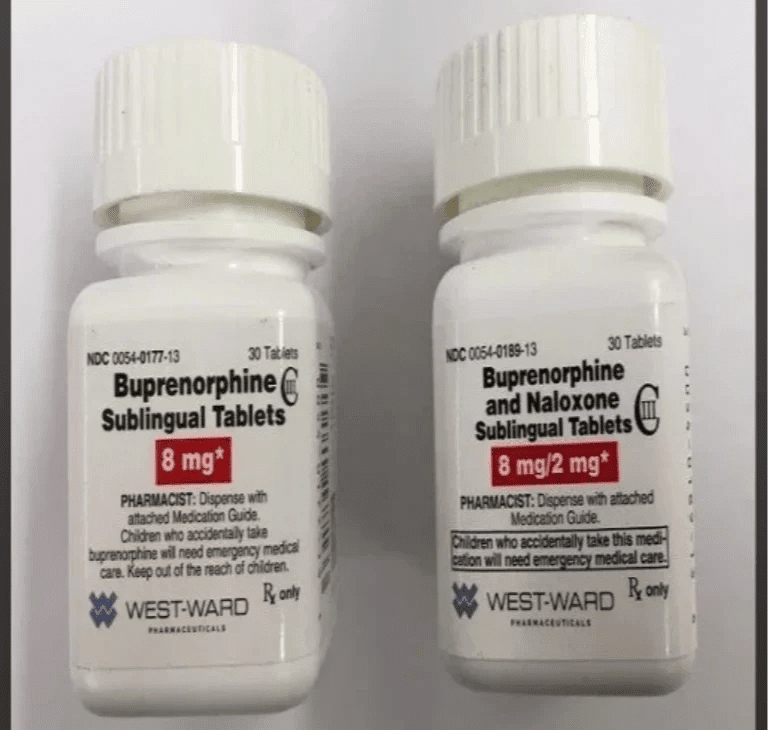
Description
Buprenorphine (Bunex) – Uses, Effectiveness, Benefits and Safety Information
Buprenorphine (Bunex) x 10 strips, is a medication used in medical treatment for opioid use disorder and, depending on the formulation and jurisdiction, for certain types of pain. It is a partial opioid agonist, meaning that it acts on opioid receptors but produces a different level of receptor activation from full opioid agonists such as heroin or morphine.
Buprenorphine is available in several formulations and may be administered under the tongue, inside the cheek, through a skin patch, by injection, or through other medically supervised formulations. The appropriate formulation depends on the condition being treated and the healthcare professional’s treatment plan.
What Is Buprenorphine?
Buprenorphine is a prescription medication belonging to the opioid class. It has a long duration of action and is widely used as part of evidence-based treatment for opioid use disorder (OUD).
For opioid use disorder, buprenorphine can help reduce opioid withdrawal symptoms and cravings. Treatment is generally most effective when combined with appropriate medical supervision and broader support services.
Buprenorphine should be taken exactly as prescribed. Changing the dose, route of administration, or treatment schedule without medical advice can increase the risk of adverse effects.
What Is Buprenorphine Used For?
Depending on the formulation, buprenorphine may be used for:
- Treatment of opioid use disorder
- Reduction of opioid withdrawal symptoms
- Reduction of opioid cravings
- Maintenance treatment as part of recovery from opioid dependence
- Management of certain acute or chronic pain conditions
Not every buprenorphine product is approved for every indication. The approved uses depend on the specific formulation, strength, country, and prescribing information.
How Effective Is Buprenorphine?
Buprenorphine is an established medication used in medication treatment for opioid use disorder. It can reduce opioid cravings and withdrawal symptoms and can help people remain engaged in treatment.
Effectiveness varies between individuals. Factors such as treatment adherence, medical supervision, coexisting health conditions, social circumstances, and access to counselling or recovery support can influence outcomes.
Medication treatment does not necessarily need to follow a single approach. A healthcare professional can assess an individual’s circumstances and discuss appropriate treatment options.
Buprenorphine and Opioid Use Disorder
Opioid use disorder can affect physical health, psychological wellbeing, relationships, employment, housing, and other areas of life.
Buprenorphine treatment can provide a medically supervised alternative to uncontrolled opioid use. By reducing withdrawal and cravings, treatment may give a person greater stability while they address other aspects of recovery.
Treatment plans can include medication together with counselling, behavioural support, peer support, and other appropriate services.
Advantages of Buprenorphine Treatment
One important advantage of medically supervised buprenorphine treatment is its ability to reduce opioid withdrawal and cravings while allowing many patients to continue their everyday activities.
Potential benefits of appropriate treatment can include:
- Reduced opioid cravings
- Reduced withdrawal symptoms
- Improved treatment retention
- Reduced exposure to illicitly manufactured opioids
- Greater stability during recovery
- Opportunities to address social and psychological factors
- Reduced risks associated with injection drug use when treatment replaces injection use
Buprenorphine is not a cure that works identically for everyone. Treatment should be individualized and regularly reviewed by an appropriate healthcare professional.
Buprenorphine and Overdose Risk
Buprenorphine has a ceiling effect on respiratory depression compared with full opioid agonists, which contributes to its safety profile in opioid-use-disorder treatment. However, this does not mean that buprenorphine is incapable of causing serious harm or overdose.
Risk can increase when buprenorphine is combined with alcohol, benzodiazepines, sedatives, or other substances that depress the central nervous system.
Taking buprenorphine other than as prescribed can also create serious risks.
Any suspected opioid overdose is a medical emergency. Emergency services should be contacted immediately when someone shows signs of a potentially life-threatening overdose.
Buprenorphine Withdrawal
Although buprenorphine can be used to manage opioid withdrawal, stopping buprenorphine itself after prolonged treatment can produce withdrawal symptoms.
Possible symptoms can include:
- Muscle aches
- Restlessness
- Sweating
- Anxiety
- Sleep difficulties
- Runny nose
- Nausea
- Abdominal discomfort
Treatment should not normally be stopped abruptly without medical guidance. A healthcare professional can determine whether gradual dose reduction is appropriate.
Buprenorphine Side Effects
Like other medications, buprenorphine can cause side effects.
Common or potentially occurring effects may include:
- Headache
- Nausea
- Constipation
- Sweating
- Dizziness
- Sleep disturbances
- Fatigue
- Dry mouth
More serious reactions can occur, particularly when buprenorphine is combined with other central nervous system depressants.
Seek urgent medical attention for severe breathing difficulties, extreme sleepiness, loss of consciousness, severe allergic reactions, or other serious symptoms.
Buprenorphine and Other Medications
Before beginning buprenorphine treatment, patients should tell their healthcare professional about all medicines, supplements, and other substances they use.
Particular caution is required with substances that can cause sedation or respiratory depression, including certain:
- Benzodiazepines
- Sedative medicines
- Sleeping medicines
- Other opioids
- Alcohol
- Central nervous system depressants
A doctor or pharmacist can assess potential interactions and provide individualized advice.
Buprenorphine Treatment and Recovery Support
Medication can be an important component of opioid-use-disorder treatment, but recovery can involve more than medication alone.
Depending on individual needs, a comprehensive treatment plan may include counselling, behavioural therapies, peer-support programs, family support, housing assistance, employment support, and other community services.
Addressing both physical dependence and the circumstances surrounding substance use can help create a more sustainable treatment plan.
Frequently Asked Questions About Buprenorphine
What is Buprenorphine (Bunex)?
Buprenorphine is a prescription opioid medication used in several medical contexts, including treatment of opioid use disorder and, for certain formulations, pain management.
Is buprenorphine an opioid?
Yes. Buprenorphine is an opioid medication, but it is a partial opioid agonist with pharmacological properties that differ from full opioid agonists.
How does buprenorphine help with opioid use disorder?
It can reduce opioid withdrawal symptoms and cravings, helping patients remain engaged with medically supervised treatment.
Can buprenorphine cause dependence?
Physical dependence can develop with ongoing opioid treatment. This is different from opioid use disorder, and treatment decisions should be made with a qualified healthcare professional.
Can buprenorphine be combined with other medicines?
Some combinations can be dangerous. In particular, combining buprenorphine with alcohol, benzodiazepines, or other sedating substances can increase the risk of respiratory depression. Patients should disclose all medications and substances to their healthcare provider.
Should buprenorphine treatment be stopped suddenly?
Patients should generally discuss discontinuation with their healthcare professional. Abrupt changes can result in withdrawal symptoms and may increase the risk of returning to uncontrolled opioid use.
Conclusion
Buprenorphine is an important medication in the treatment of opioid use disorder and is also used in specific pain-management settings. Its long-acting pharmacological effects can help reduce opioid withdrawal and cravings, while medically supervised treatment can provide greater stability for people working toward recovery.
Because buprenorphine is a prescription opioid medication, treatment should be individualized and supervised by an appropriate healthcare professional. Patients should follow the prescribing instructions, understand potential interactions, and seek medical advice before changing or stopping treatment.
What are the side effects?
Buprenorphine is generally well tolerated; however, some side effects have been reported. Most of these symptoms occur very early in treatment–in the first week or so.
Side effects may be due to the combined experience of withdrawal from opioids and taking Bunex. It is important to report any side effects to a health professional.
The most common side effects are similar to those listed under the section ‘Bunex withdrawal’.
Related issues
Before a person commences any drug treatment program. It is important that all the relevant information has been explain to them by a qualify health professional and, where appropriate, to carers such as family, friends etc.
This includes the length of the program, how much it costs, what other supports are include or recommends. All the risks and side effects, and any other health issues to consider.
When deciding on the suitability of Bunex maintenance, the following issues should also be discuss with a health professional:
Existing liver conditions, such as acute hepatitis
respiratory illnesses
If a woman is pregnant, wanting to become pregnant or breastfeeding (it has not been established that using Bunex during pregnancy is safe).
Buprenorphine may impair the ability to drive and operate machinery safely. It may not be appropriate for people in certain occupations.
How To Take Buprenorphine ?
A Subutex tablet must be place under the tongue and allowe to dissolve. Chewing or swallowing the tablet will make it ineffective. Injecting Subutex is dangerous, and can lead to severe vein damage, blood clots and other health complications.
Subutex dissolves within 2-8 minutes after placing it under the tongue.
The effects begin within 30-60 minutes of taking the dose and peak within 2-4 hours, lasting between 4 hours to three days, depending on the dosage.
What is the right dosage?
The dosage of Bunex often varies for each person. As a guide, doses range from 4 milligrams to 32 milligrams per day for people with heroin dependence.
A health practitioner should be inform of any side effects that are experience, so that the dosage can be adjuste where appropriate. When first starting on Bunex maintenance, it may take a number of days (typically from three to seven days). For the effects of buprenorphine to become stable in the body. Continuing heroin use can make it difficult for the person to stabilize.
Missed doses
If a person misses their buprenorphine doses for more than five days in a row, they will need to undergo a review by the prescribing health professional. The recommendation that the person start again on a lower dose of buprenorphine.
Using buprenorphine with other drugs
Combining the use of any drugs can increase or alter the effects that are usually experience from using the individual drug. It is often difficult to predict the consequences of combining the use of different drugs.
It is particularly important to avoid using other depressant drugs, such as benzodiazepines (‘benzos’), e.g. Valium, with buprenorphine. Using benzodiazepines with buprenorphine may lead to breathing difficulties, coma or death.
Using buprenorphine with heroin or other opiates, such as methadone, increases the chances of experiencing ongoing withdrawal symptoms.
Always check with your doctor or pharmacist before using buprenorphine with alcohol, medicines or other drugs.
buprenorphine drug,buprenorphine for cats,buprenorphine for cats,buprenorphine for sale UK, buprenorphine for sale UK,buprenorphine for sale in Australia,buprenorphine for sale in Canada,buprenorphine for sale in Ireland,buprenorphine naloxone buprenorphine,buprenorphine side effects buprenorphine side effectsRemove term: buprophine buprophineRemove term: buy buprenorphine in France buy buprenorphine in France,buy buprenorphine in US,buy buprenorphine Online,is buprenorphine the same as suboxone,what is buprenorphine




Reviews
There are no reviews yet.