
Description
Adderall UK: Uses, Ingredients, Dosage, Side Effects and Safety Information

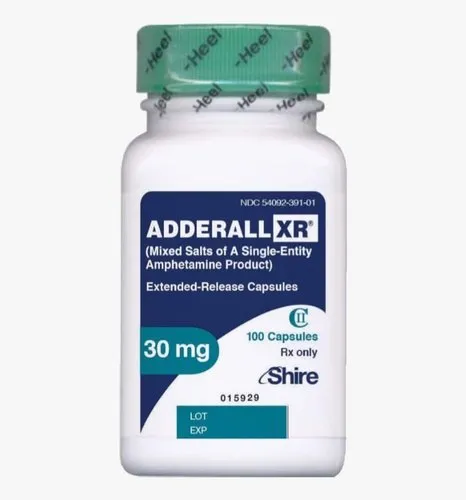
Adderall is a prescription central nervous system stimulant containing a combination of amphetamine salts. It is primarily used in the treatment of attention-deficit/hyperactivity disorder (ADHD) and narcolepsy in countries where it is approved and prescribed.
Adderall contains amphetamine in two stereochemical forms, commonly referred to as dextroamphetamine and levoamphetamine. The combination produces pharmacological effects associated with increased activity of certain neurotransmitter systems in the central nervous system.
Because amphetamine medicines are controlled prescription substances, they should only be used under the direction and supervision of an appropriately qualified healthcare professional.
What Is Adderall?
Adderall is a brand-name prescription stimulant containing mixed amphetamine salts. It is available in immediate-release and extended-release formulations in markets where the medicine is approved.
The medication affects neurotransmitter systems involving dopamine and norepinephrine. These neurotransmitters are involved in attention, alertness, motivation, and other neurological processes.
For people diagnosed with ADHD, appropriately prescribed stimulant medication can help reduce symptoms such as difficulty sustaining attention, excessive impulsivity, and hyperactivity.
What Is Adderall Used For?
Adderall is primarily associated with two medical indications:
ADHD
ADHD is a neurodevelopmental condition that can affect attention, impulse control, activity levels, organization, and everyday functioning.
Stimulant medicines such as amphetamine may be prescribed as part of an individualized ADHD treatment plan.
The appropriate medicine and dosage depend on factors including age, symptoms, medical history, other medications, and individual response.
Narcolepsy
Narcolepsy is a neurological sleep disorder characterized by excessive daytime sleepiness and, in some cases, other symptoms such as sudden loss of muscle tone.
Stimulant medications may be prescribed to promote wakefulness in people with narcolepsy.
Treatment should be individualized because different medicines have different durations of action and side-effect profiles.
Adderall Ingredients
Adderall contains a combination of amphetamine salts. The formulation provides both dextroamphetamine and levoamphetamine components.
The two amphetamine enantiomers are chemically related but have somewhat different pharmacological properties.
This combination distinguishes mixed amphetamine salts from medicines containing predominantly dextroamphetamine or other stimulant formulations.
Adderall and the Central Nervous System
Amphetamine is a central nervous system stimulant. Its effects involve neurotransmitter systems responsible for regulating attention, arousal, and other neurological functions.
At therapeutic doses prescribed for an appropriate medical indication, stimulant treatment can improve certain ADHD symptoms and promote wakefulness in selected patients.
The response varies considerably from one person to another. A medicine that is appropriate for one patient may not be suitable for another.
Adderall Dosage Information
The appropriate Adderall dosage is determined by the prescribing clinician.
Factors that can influence treatment include:
- The condition being treated
- Age
- Individual response
- Previous stimulant treatment
- Other medications
- Existing medical conditions
- The specific formulation being prescribed
Patients should take Adderall exactly as directed by their healthcare professional.
Taking a larger amount than prescribed does not necessarily improve therapeutic effects and can substantially increase the risk of adverse reactions.
How Should Adderall Be Taken?
Patients should follow the instructions provided with their prescription and medication guide.
Depending on the formulation, Adderall may be taken with or without food. Extended-release formulations have specific administration instructions and should not be altered unless the prescribing information specifically permits it.
Patients should not independently change their dose, frequency, or formulation.
If a dose is missed, the appropriate action depends on the specific formulation and timing. Patients should consult their pharmacist or prescribing clinician rather than taking additional medication to compensate.
Adderall Side Effects
Like other stimulant medicines, Adderall can cause side effects.
Potential side effects include:
- Reduced appetite
- Weight loss
- Dry mouth
- Headache
- Dizziness
- Nausea
- Stomach discomfort
- Diarrhea
- Nervousness
- Restlessness
- Difficulty sleeping
- Increased heart rate
- Increased blood pressure
Some side effects may become less noticeable as the body adjusts to treatment, while others may require medical evaluation.
Patients should tell their healthcare professional about persistent, severe, or unusual symptoms.
Serious Adderall Risks
Although stimulant medicines can be effective when appropriately prescribed, amphetamine medications can also produce serious adverse effects.
Potential serious problems may include cardiovascular effects, severe psychological reactions, dependence, and misuse.
Seek urgent medical attention if severe chest pain, fainting, significant breathing difficulty, severe agitation, hallucinations, seizures, or other potentially life-threatening symptoms occur.
Adderall and Dependence
Amphetamine is a controlled stimulant with potential for misuse and dependence.
Adderall should never be shared with another person, even if that person reports having similar symptoms.
Using someone else’s prescription or taking the medication in a manner different from the prescribed instructions can increase health risks.
Patients who believe they are becoming dependent on their medication should speak with a healthcare professional rather than abruptly changing treatment themselves.
Adderall Interactions
Patients should tell their doctor or pharmacist about all prescription medicines, non-prescription medicines, supplements, and recreational substances they use.
Potentially important interactions can involve medicines that affect blood pressure, heart rate, neurotransmitter systems, or the metabolism of amphetamine.
Certain antidepressants and other medications can require particular caution.
A pharmacist can review a patient’s complete medication list and identify potential interactions.
Adderall and Alcohol
Combining prescription stimulants with alcohol can create additional risks and may make it more difficult to recognize impairment or adverse effects.
Patients should discuss alcohol consumption with their prescribing clinician or pharmacist for individualized advice.
Adderall Storage
Prescription stimulant medicines should be stored according to the product information.
Generally, medication should be kept:
- At room temperature as directed
- Away from excessive heat and moisture
- Away from direct light when required
- Out of reach of children
- In a secure location where unauthorized people cannot access it
Because amphetamine medicines can be misused, keeping medication secure is particularly important.
Adderall in the UK
People searching for Adderall UK should be aware that medicine availability and licensing differ between countries.
Adderall is primarily associated with the United States market. UK treatment for ADHD commonly involves other licensed stimulant and non-stimulant medicines.
The availability of a particular medicine can change, and patients in the UK should consult a qualified UK healthcare professional or pharmacist regarding currently licensed treatment options.
A medicine being available in another country does not automatically mean that it is approved, prescribed, or legally supplied in the UK.
Adderall vs Other ADHD Medicines
Adderall is one of several stimulant medicines used internationally for ADHD.
Other treatment options can include different formulations of amphetamine, methylphenidate-based medicines, and non-stimulant medications.
The choice of treatment depends on the individual patient. Factors such as symptom profile, duration of effect, adverse effects, previous treatment response, medical history, and local prescribing guidance can all be relevant.
There is no single medication that is appropriate for every person with ADHD.
Frequently Asked Questions About Adderall
What is Adderall?
Adderall is a prescription medicine containing mixed amphetamine salts. It is used primarily for ADHD and narcolepsy in countries where it is approved.
Is Adderall an amphetamine?
Yes. Adderall contains amphetamine salts consisting of dextroamphetamine and levoamphetamine components.
What is Adderall used for?
Its principal medical uses are treatment of ADHD and narcolepsy in approved markets.
Can Adderall cause side effects?
Yes. Possible effects include decreased appetite, dry mouth, headache, insomnia, nervousness, nausea, increased heart rate, and increased blood pressure. More serious adverse effects can also occur.
Is Adderall available in the UK?
Adderall is primarily associated with the US market and is not routinely used as a standard UK ADHD product. UK patients should consult a healthcare professional regarding medicines licensed and available in the UK.
Can Adderall be addictive?
Amphetamine medicines have potential for misuse, dependence, and addiction. They should only be used exactly as prescribed.
Can I share Adderall with someone else?
No. Prescription medicines should not be shared. A person experiencing ADHD or other symptoms should obtain an appropriate medical assessment.
Conclusion
Adderall is a prescription stimulant containing mixed amphetamine salts and is primarily used to treat ADHD and narcolepsy in approved markets. Its effects involve central nervous system neurotransmitter systems associated with attention and wakefulness.
Because amphetamine is a controlled substance with potential for misuse and significant adverse effects, treatment requires appropriate medical supervision. Patients should follow their prescription instructions, disclose other medications to their healthcare professional, and seek medical advice about side effects or changes in treatment.
For people searching specifically for Adderall UK, it is important to distinguish between information about the US-marketed product and medicines that are actually licensed and prescribed in the United Kingdom. Current UK treatment options should be confirmed through a UK healthcare professional or pharmacist.




Reviews
There are no reviews yet.