Description
How to Use Promethazine Codeine

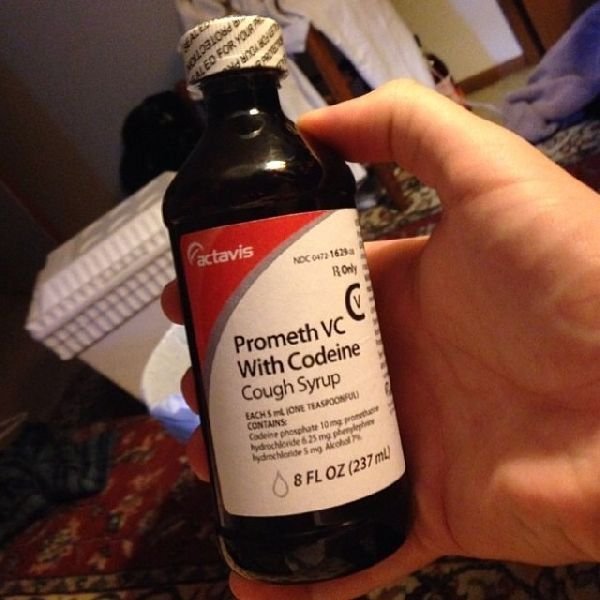
Buy Actavis Promethazine Codeine Cough Syrup, Promethazine with codeine is a prescription combination medicine that contains an opioid cough suppressant (codeine) and an antihistamine (promethazine). Because codeine can cause serious breathing problems, sedation, dependence, and other potentially severe effects, this medication should only be used exactly as prescribed by a qualified healthcare professional.
Before starting treatment, read the Medication Guide and prescription information supplied by your pharmacist. Read the information again whenever your prescription is renewed or your healthcare professional changes your dose. If anything about the medication is unclear, speak with your doctor or pharmacist before taking it.
Follow the Prescribed Dose
Take promethazine with codeine exactly as directed by your healthcare professional. The appropriate dose depends on factors such as your age, medical history, other medications, and the reason the medicine has been prescribed.
Do not take a larger dose, take doses more frequently, or continue treatment for longer than instructed. Increasing the amount of codeine does not necessarily provide better symptom relief and can substantially increase the risk of excessive sedation, respiratory depression, overdose, and dependence.
If you miss a dose, follow the instructions provided with your prescription. Do not automatically take an extra dose to compensate for a missed dose unless your healthcare professional specifically tells you to do so.
Measuring Liquid Medication
Promethazine-codeine oral solutions should be measured carefully. Use the dosing syringe, medicine cup, or other measuring device supplied or recommended by your pharmacist.
Avoid using an ordinary household teaspoon or tablespoon because household spoons vary considerably in size and may result in an inaccurate dose.
Because opioid-containing liquid medicines can cause serious harm when taken incorrectly, keep the medication in its original labelled container and follow the storage and dosing instructions supplied with the prescription.
Taking Promethazine Codeine With Food
Depending on the specific product and your healthcare professional’s instructions, the medicine may be taken with or without food. If you experience stomach discomfort, taking it with food may help.
Follow the instructions supplied with your particular prescription because formulations can differ.
Maintaining adequate fluid intake can also be important when recovering from respiratory illness, unless your doctor has instructed you to restrict fluids because of another medical condition.
Avoid Alcohol and Other Sedating Medicines
One of the most important safety considerations with codeine-containing medicines is their interaction with other substances that slow the central nervous system.
Avoid alcohol unless your healthcare professional specifically advises otherwise. Alcohol can increase codeine-related sedation and respiratory depression and may increase the risk of overdose.
Tell your doctor or pharmacist about all prescription medicines, over-the-counter products, and supplements you use. Particular caution may be necessary with medicines such as:
- Benzodiazepines and other sedatives
- Sleeping medications
- Other opioid pain medicines
- Certain antihistamines
- Muscle relaxants
- Other medicines that cause drowsiness
- Some medications that affect liver enzymes responsible for metabolising codeine
Do not combine promethazine codeine with another sedating medicine without professional medical advice.
Drowsiness and Impaired Alertness
Promethazine can cause significant drowsiness, while codeine may also impair alertness and coordination. Until you know how the medication affects you, avoid driving, operating machinery, cycling in traffic, or performing activities requiring full concentration.
Older adults and people taking other sedating medicines may be particularly susceptible to excessive drowsiness or confusion.
Risk of Breathing Problems
Codeine is an opioid and can slow breathing. Respiratory depression is one of the most serious risks associated with opioid medicines.
Seek urgent medical assistance if someone taking the medicine develops:
- Slow, shallow, or difficult breathing
- Unusual difficulty staying awake
- Extreme sleepiness
- Confusion or inability to respond normally
- Blue or grey lips or fingertips
- Unusual snoring or breathing sounds in an unresponsive person
Do not assume that someone who is extremely difficult to wake is simply sleeping.
Dependence and Withdrawal
Repeated opioid exposure can result in physical dependence. This means the body can adapt to the medication and withdrawal symptoms may occur if treatment is stopped suddenly after regular use.
Possible withdrawal symptoms can include restlessness, anxiety, watering eyes, runny nose, sweating, nausea, vomiting, diarrhoea, abdominal discomfort, and muscle aches.
The likelihood of withdrawal depends on factors including the dose, duration of treatment, and individual response.
If you have been taking the medication regularly, do not suddenly discontinue it without discussing the appropriate approach with your healthcare professional. Depending on the circumstances, your doctor may gradually reduce the dose.
Do Not Increase the Dose Because Symptoms Persist
Cough and cold symptoms do not necessarily improve more quickly when an opioid cough suppressant is taken at a higher dose. Taking more than prescribed can instead increase the likelihood of dangerous sedation and breathing difficulties.
If your cough persists, becomes worse, or is accompanied by symptoms such as chest pain, difficulty breathing, high fever, coughing blood, or significant weakness, contact a healthcare professional rather than increasing your medication dose yourself.
Promethazine Codeine and Children
Codeine-containing medicines require particular caution in children and adolescents. Codeine can be converted into morphine in the body, and the amount produced varies between individuals. Some people can convert codeine to morphine more rapidly than others, potentially resulting in dangerously high morphine exposure.
Because of these risks, age restrictions and prescribing requirements apply to codeine-containing medicines in many countries. Parents and caregivers should never give a child another person’s prescription medication.
Storage and Safe Handling
Store promethazine codeine according to the product label and pharmacy instructions. Keep it securely away from children, visitors, and anyone for whom it was not prescribed.
Because opioid medicines can cause serious poisoning when accidentally ingested, do not leave the bottle where children or other household members can access it.
Unused opioid medication should be disposed of according to local pharmacy or medication-disposal guidance rather than being shared with another person.
When to Contact a Healthcare Professional
Contact your doctor or pharmacist if you experience persistent or troublesome side effects, if your symptoms do not improve, or if you are concerned about dependence or withdrawal.
Seek emergency medical attention for suspected overdose or severe breathing difficulties.
Signs of a potentially serious opioid overdose can include extreme sleepiness, inability to wake, slow or shallow breathing, loss of consciousness, and unusually small pupils. If naloxone has been prescribed or is available where you live, follow the emergency instructions provided with it while seeking immediate medical assistance.
Important Safety Information
Promethazine codeine should only be used under appropriate medical supervision. Never share prescription opioid medication, use someone else’s prescription, or alter the prescribed dose without professional guidance.
The safest way to use this medication is to follow the exact instructions supplied by your prescriber and pharmacist and to disclose all other medicines and substances you are taking.
If you are pregnant, breastfeeding, elderly, have respiratory problems, sleep-related breathing disorders, liver or kidney problems, or have a history of substance-use problems, discuss these factors with your healthcare professional before using an opioid-containing medicine.
Frequently Asked Questions
How often should promethazine codeine be taken?
The dosing schedule depends on the specific prescription and patient. Follow the directions on your prescription label and do not take additional doses because symptoms persist.
Can promethazine codeine make you sleepy?
Yes. Promethazine and codeine can both cause drowsiness. Avoid driving or operating machinery until you understand how the medicine affects you.
Can you drink alcohol while taking promethazine codeine?
Alcohol can increase sedation and respiratory-depression risks associated with opioid medicines. Speak with your healthcare professional about alcohol use while taking this medication.
Can you stop promethazine codeine suddenly?
If you have been using an opioid regularly, suddenly stopping may cause withdrawal symptoms. Discuss discontinuation with your healthcare professional, who can determine whether gradual dose reduction is appropriate.
What should you do if too much is taken?
A suspected opioid overdose is an emergency. Seek immediate medical assistance, particularly if the person is difficult to wake or has slow, shallow, or abnormal breathing. If naloxone is available, use it according to its instructions while emergency help is obtained.
Summary
Promethazine codeine requires careful use because it combines an antihistamine with codeine, an opioid medicine capable of causing sedation, respiratory depression, dependence, and overdose. Take it only as prescribed, measure liquid doses accurately, avoid combining it with alcohol or other sedating substances unless medically advised, and keep it safely away from children.
Always rely on the medication guide, prescription label, pharmacist, and prescribing healthcare professional for instructions specific to your formulation and circumstances.
promethazine codeine, promethazine codeine information, promethazine codeine uses, promethazine codeine dosage, promethazine codeine instructions, how to use promethazine codeine, promethazine codeine medication guide, promethazine codeine oral solution, promethazine codeine syrup information, promethazine codeine side effects, promethazine codeine safety, promethazine codeine precautions, promethazine codeine interactions, promethazine codeine warnings, promethazine codeine withdrawal, codeine withdrawal symptoms





Reviews
There are no reviews yet.