Description
Tramadol 100mg Tablets: Uses, Dosage, Safety, Side Effects and Interactions
Introduction
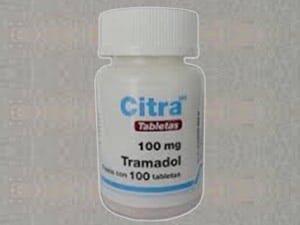
Buy Tramadol 100mg Tablets Citra Online, Tramadol is a prescription opioid analgesic used to manage certain types of moderate to moderately severe pain in adults. It works through more than one mechanism, including activity at opioid receptors and effects on the reuptake of neurotransmitters involved in pain signaling.
Tramadol is available in different formulations, including immediate-release tablets and extended-release tablets or capsules. Because these formulations release the medicine differently, they are not interchangeable on a milligram-for-milligram basis without medical guidance.
A 100mg strength may be available in particular formulations, but the appropriate strength and dosing schedule depend on the specific product, the patient’s medical condition, age, kidney and liver function, other medications, and previous exposure to opioids.
Anyone obtaining tramadol should use a legitimate pharmacy and a valid prescription where required. Unverified websites may sell counterfeit or incorrectly manufactured medicines, creating potentially serious health risks.
What Is Tramadol?
Tramadol is a centrally acting opioid pain medication. It is available as a generic medicine and has also been marketed under brand names such as Ultram.
Unlike some traditional opioids, tramadol has a dual pharmacological action. It binds to opioid receptors and also influences norepinephrine and serotonin pathways involved in pain transmission.
Because of these effects, tramadol can reduce the perception of pain. However, it can also cause opioid-related adverse effects, including sedation, respiratory depression, dependence, and withdrawal.
Tramadol is a controlled prescription medicine in many countries because of its potential for misuse and dependence.
What Is Tramadol Used For?
Tramadol may be prescribed for pain when a healthcare professional determines that an opioid analgesic is appropriate.
Immediate-release formulations are generally used for pain requiring relatively short-acting treatment, while extended-release formulations are intended for certain patients with persistent pain requiring continuous opioid analgesia.
Tramadol is not appropriate for every type of pain. A doctor may consider non-opioid treatments, physical therapy, other medicines, or other approaches depending on the underlying cause and severity of the pain.
Tramadol 100mg Tablets
The term “100mg tramadol” does not by itself identify a particular formulation.
Some extended-release products are available in strengths including 100mg, while immediate-release tramadol products may use different strengths and dosing schedules.
This distinction is important because extended-release tablets or capsules are designed to release medication over an extended period. They should therefore be taken exactly as directed and should not be crushed, broken, chewed, or otherwise altered unless the specific product information explicitly permits it.
Patients should check the label and prescription instructions to confirm whether their medicine is immediate-release or extended-release.
How Does Tramadol Work?
Tramadol affects the central nervous system in two principal ways.
First, it acts as an opioid receptor agonist, although its activity at the mu-opioid receptor is weaker than that of some other opioid medicines.
Second, tramadol inhibits the reuptake of norepinephrine and serotonin. These neurotransmitters participate in the body’s pain-processing pathways.
Tramadol is also metabolized into an active metabolite called O-desmethyltramadol. The extent to which a person produces this metabolite can vary because of genetic differences in drug metabolism.
These differences can contribute to variation in both effectiveness and adverse effects.
How Should Tramadol Be Taken?
Take tramadol exactly as prescribed by your healthcare professional.
The medicine may be taken with or without food depending on the specific formulation and prescription instructions. Taking it consistently in the same manner can help maintain predictable absorption.
Important points include:
- Take only the prescribed amount.
- Do not take tramadol more frequently than instructed.
- Do not increase the dose because pain has not improved sufficiently.
- Do not use someone else’s prescription.
- Do not share your medication with another person.
- Do not crush or chew extended-release formulations.
- Keep tramadol in a secure location.
- Follow your pharmacist’s instructions regarding storage and disposal.
If you miss a dose, follow the instructions supplied with your specific product or contact your pharmacist. Do not automatically take an additional dose to compensate.
Tramadol Dosage
There is no single 100mg dose that is appropriate for everyone.
The prescribing information for tramadol differs according to formulation, age, medical condition, kidney function, liver function, and other factors. Immediate-release and extended-release formulations have different dosing schedules.
For this reason, patients should not use dosing schedules found on websites as a substitute for their prescription.
Healthcare professionals may start treatment at a lower dose and adjust it according to pain control and tolerability. People who have not previously taken opioids may require particular caution.
Older adults and people with impaired kidney or liver function may require modified treatment because tramadol and its metabolites can remain in the body for longer.
Tramadol for Moderate to Severe Pain
Immediate-Release Tramadol
Immediate-release tramadol is designed to provide relatively short-term pain relief.
The prescribed amount and frequency depend on the individual patient. Treatment is generally adjusted according to pain severity and response while taking the lowest effective dose for the shortest appropriate duration.
The maximum daily amount can be lower for some patients, particularly people with significant kidney or liver impairment or certain older adults.
Extended-Release Tramadol
Extended-release tramadol is designed for patients who require continuous, around-the-clock opioid treatment.
It is not intended to be used simply as an occasional “as-needed” painkiller.
Extended-release products should be taken according to the exact prescription and product instructions. Altering an extended-release tablet can potentially cause too much medication to be released at once.
Who Should Not Take Tramadol?
Tramadol is not appropriate for everyone.
It should generally be avoided or used only with careful medical assessment in people with certain conditions, including significant respiratory problems, severe asthma, bowel obstruction, or certain neurological conditions.
Tell your healthcare professional if you have a history of:
- Breathing problems or sleep apnea
- Chronic obstructive pulmonary disease
- Seizures
- Head injury
- Kidney disease
- Liver disease
- Gallbladder or pancreatic problems
- Urination difficulties
- Thyroid disorders
- Mental health conditions
- Previous substance-use problems
- Previous opioid dependence
A complete medication history is particularly important because tramadol interacts with numerous prescription and non-prescription medicines.
Tramadol and Breathing Problems
One of the most serious risks associated with opioids is respiratory depression.
Tramadol can make breathing slower or shallower, particularly when taken at higher doses or together with other substances that suppress the central nervous system.
The risk can be substantially increased when tramadol is combined with alcohol, benzodiazepines, other opioids, sedatives, or certain other medicines.
Seek emergency medical assistance if someone taking tramadol develops extremely slow or difficult breathing, cannot be awakened normally, or becomes unusually unresponsive.
Tramadol and Seizures
Tramadol can increase the risk of seizures, even when used at prescribed doses in susceptible individuals.
The risk may increase with higher doses and with medicines that also lower the seizure threshold.
Patients with a history of epilepsy or seizures should discuss this with their healthcare professional before taking tramadol.
Serotonin Syndrome
Because tramadol affects serotonin, combining it with certain other medicines can increase the risk of a potentially serious condition called serotonin syndrome.
Medicines that can contribute to this risk include certain antidepressants and other drugs that increase serotonin activity.
Possible symptoms include:
- Agitation
- Confusion
- Sweating
- Rapid heartbeat
- Fever
- Muscle rigidity or twitching
- Loss of coordination
- Diarrhea
- Nausea or vomiting
Severe symptoms require urgent medical attention.
Common Side Effects of Tramadol
Common adverse effects can include:
- Dizziness
- Drowsiness
- Headache
- Nausea
- Vomiting
- Constipation
- Dry mouth
- Tiredness
- Sweating
- Stomach discomfort
These effects may be more noticeable when treatment begins or after the dose is increased.
Avoid driving or operating machinery until you know how tramadol affects you.
Serious Side Effects
Contact a healthcare professional promptly if significant side effects occur.
Potentially serious reactions include:
- Slow or shallow breathing
- Severe sedation
- Seizures
- Severe allergic reactions
- Confusion
- Fainting
- Severe dizziness
- Symptoms of serotonin syndrome
- Signs of opioid overdose
Overdose can be life-threatening.
Emergency assistance should be obtained immediately if a person who has taken tramadol is difficult to wake, has severely slowed breathing, develops blue or gray lips or fingertips, or becomes unconscious.
Tramadol Dependence and Withdrawal
Tramadol can cause physical dependence, particularly when used regularly for an extended period.
Physical dependence means the body has adapted to the medicine. It does not necessarily mean that a person has an addiction, but stopping suddenly after prolonged treatment can cause withdrawal symptoms.
Possible withdrawal symptoms include:
- Restlessness
- Anxiety
- Irritability
- Sweating
- Runny nose
- Watery eyes
- Muscle aches
- Nausea
- Diarrhea
- Difficulty sleeping
- Changes in mood
Tramadol withdrawal can also involve unusual neurological or sensory symptoms in some people.
Patients who have been taking tramadol regularly should generally discuss discontinuation with their healthcare professional rather than stopping suddenly.
What Should You Avoid While Taking Tramadol?
Alcohol
Alcohol can increase the sedative and respiratory-depressant effects of tramadol. Combining the two can increase the risk of severe sedation, breathing problems, overdose, and death.
Avoid alcohol unless your healthcare professional specifically advises otherwise.
Benzodiazepines and Sedatives
Medicines such as diazepam, lorazepam, alprazolam, and other central nervous system depressants can significantly increase the risks associated with tramadol.
The combination can cause profound sedation and respiratory depression.
Other Opioids
Do not combine tramadol with other opioid medicines unless a healthcare professional has specifically instructed you to do so.
Combining opioids can increase opioid-related adverse effects and overdose risk.
Important Drug Interactions
Tramadol can interact with numerous medicines.
Potentially important interactions include:
- Certain antidepressants
- Monoamine oxidase inhibitors
- Benzodiazepines
- Other opioids
- Muscle relaxants
- Certain migraine medicines
- Antipsychotic medicines
- Some anticonvulsants
- Medicines that affect liver enzymes responsible for tramadol metabolism
Carbamazepine, for example, can affect tramadol metabolism and may alter its effectiveness.
Because the interaction profile is extensive, provide your doctor and pharmacist with a complete list of all medicines and supplements you take.
Tramadol During Pregnancy and Breastfeeding
Tramadol should only be used during pregnancy when a healthcare professional determines that the potential benefits justify the potential risks.
Regular opioid exposure during pregnancy can cause physical dependence in the developing baby and may result in neonatal opioid withdrawal after birth.
Tramadol can also pass into breast milk. Because opioids can potentially cause serious effects in breastfed infants, including excessive sleepiness and breathing difficulties, breastfeeding considerations should be discussed with a healthcare professional.
Buying Tramadol Online Safely
People searching for terms such as “buy tramadol 100mg tablets online” should verify that they are dealing with a legitimate, regulated pharmacy.
Prescription tramadol should be obtained through a lawful medical and pharmaceutical supply chain. A reputable online pharmacy should operate under the regulations applicable in the country where the medicine is dispensed and should require an appropriate prescription when legally required.
Be cautious of websites that:
- Sell tramadol without appropriate medical oversight
- Promise unusually low prices
- Make claims that the medicine is completely risk-free
- Do not provide verifiable pharmacy information
- Do not identify the manufacturer or product source
- Offer unusually large quantities without prescription requirements
Counterfeit medicines can contain the wrong amount of active ingredient or entirely different substances.
tramadol 100mg uses, tramadol 100mg dosage, tramadol side effects, tramadol drug interactions, how does tramadol work, tramadol pain relief, tramadol safety information, tramadol withdrawal symptoms, tramadol prescription information, tramadol extended release
Frequently Asked Questions
Is tramadol an opioid?
Yes. Tramadol is an opioid analgesic with additional effects on norepinephrine and serotonin pathways.
Is tramadol 100mg suitable for everyone?
No. The appropriate dose depends on the individual and the formulation. A 100mg product should only be used according to a healthcare professional’s instructions.
Can tramadol be addictive?
Tramadol can cause misuse, dependence, and addiction. The risk varies between individuals and can increase with prolonged use, higher doses, or a history of substance-use problems.
Can tramadol be taken with alcohol?
Combining tramadol with alcohol can increase sedation and respiratory-depression risk and should be avoided.
Can tramadol be stopped suddenly?
People who have been taking tramadol regularly should not stop it abruptly without medical advice. A gradual reduction may be recommended to reduce withdrawal symptoms.
Can tramadol cause seizures?
Yes. Tramadol can increase seizure risk, particularly in susceptible people or when combined with medicines that lower the seizure threshold.
Conclusion
Tramadol is a prescription opioid medicine used for certain types of moderate to severe pain. It is available in several formulations, including immediate-release and extended-release products, and the correct dose depends on the specific formulation and the patient’s individual circumstances.
Although tramadol can provide effective pain relief when appropriately prescribed, it carries important risks, including respiratory depression, seizures, serotonin syndrome, dependence, withdrawal, misuse, and overdose.
Patients should take tramadol exactly as prescribed and avoid combining it with alcohol, unauthorized opioids, benzodiazepines, or other sedating medicines. Anyone considering obtaining tramadol online should use a properly regulated pharmacy and a legitimate prescription rather than an unverified seller.
If you have questions about the appropriate tramadol formulation, dose, interactions, or duration of treatment, speak with your doctor or pharmacist.
buy tramadol 100mg, tramadol 100mg tablets price, tramadol 100mg prescription, tramadol tablets online pharmacy, tramadol 100mg online pharmacy, tramadol 100mg medication, tramadol 100mg tablets cost, prescription tramadol online, tramadol 100mg supply, tramadol pharmacy online



Reviews
There are no reviews yet.