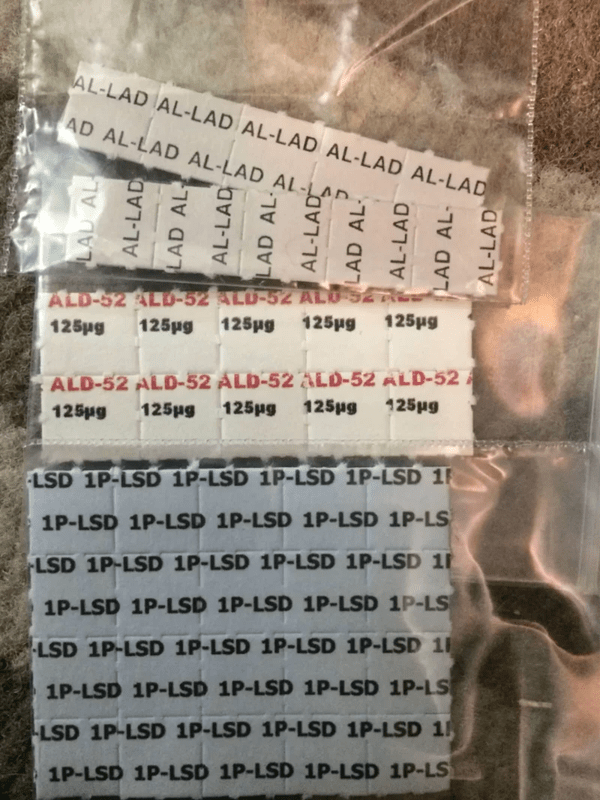
Description
Buy 1P-LSD Tablets Online
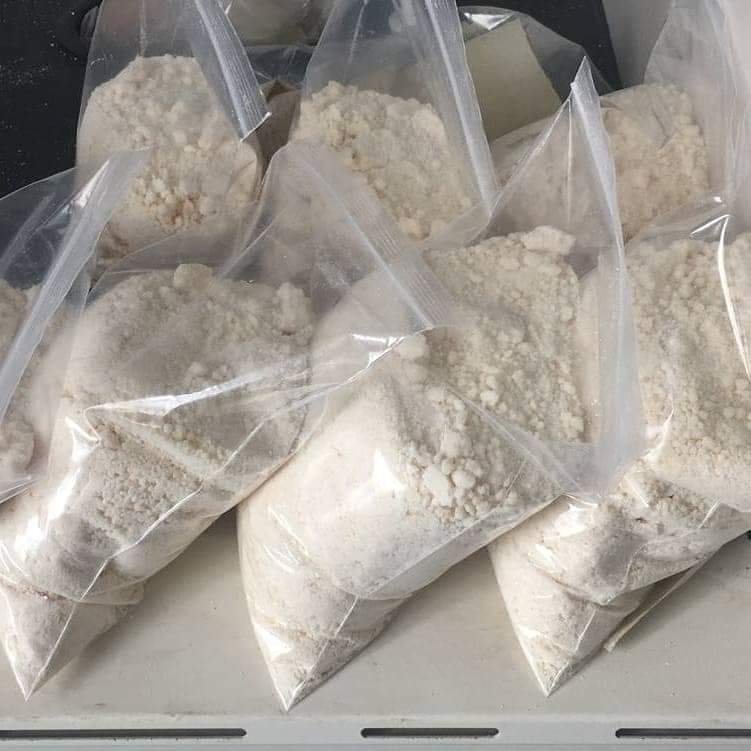
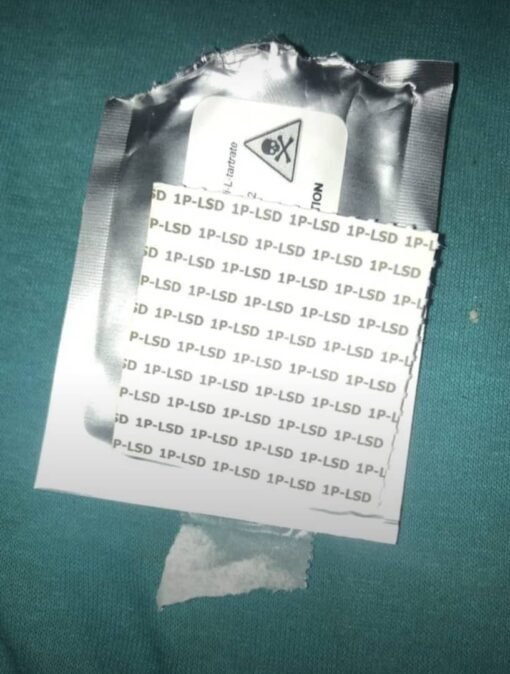
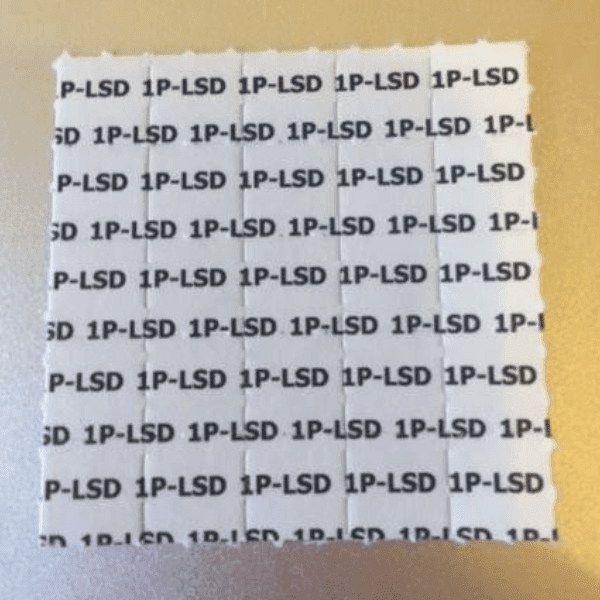
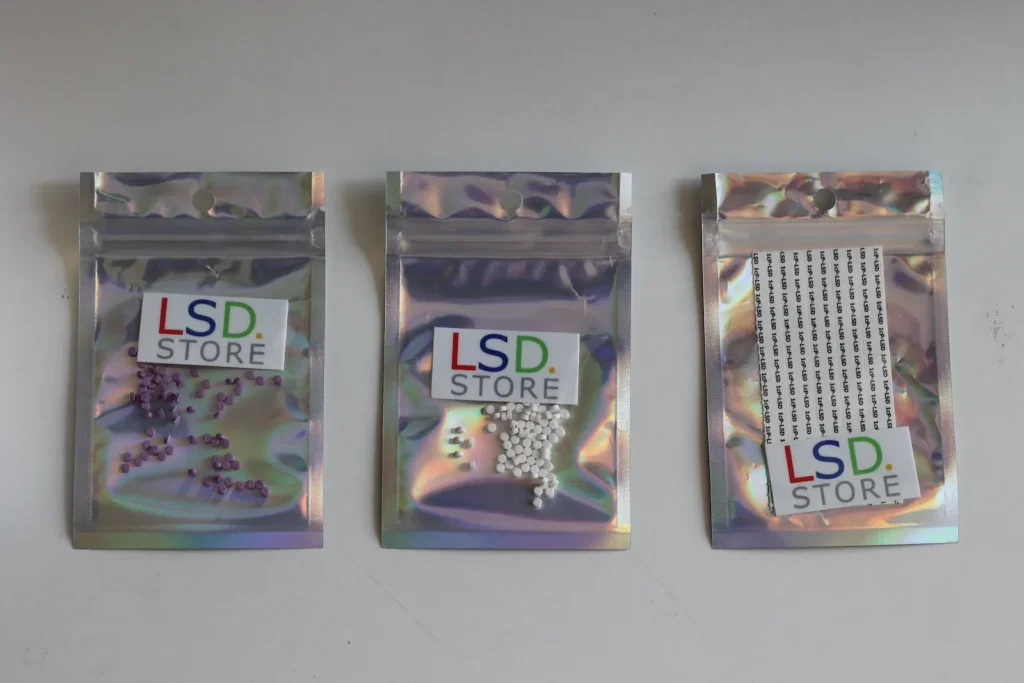
BUY 1P-LSD TABS ONLINE, LSD TABS, LSD (Lysergic Acid Diethylamide) TABLETS, LSD (Lysergic Acid Diethylamide) salt/blotter paper
LSD Blotter, LSD (Lysergic Acid Diethylamide) abbreviated LSD or LSD-25, also known as lysergide and colloquially as acid, is a semisynthetic psychedelic drug of the ergoline family, well known for its psychological.
You can buy LSD (Lysergic Acid Diethylamide) blotter paper online cheap (in low price)
LSD Blotter is one of the most potent, mood-changing chemicals. It is manufactured from lysergic acid, which is found in the ergot fungus that grows on rye and other grains.

1P-LSD: Chemical Information, Effects, Risks and Safety
1P-LSD is a synthetic lysergamide and psychedelic research compound that is structurally related to lysergic acid diethylamide (LSD). It belongs to a broader family of lysergamide compounds that have attracted scientific and analytical interest because of their structural similarities to LSD.
1P-LSD is sometimes described in scientific and research contexts as a prodrug or precursor to LSD, because the compound can undergo metabolic transformation in the body. Research into lysergamides focuses on their chemistry, pharmacology, metabolism, analytical identification, and potential effects on the central nervous system.
What Is 1P-LSD?
1P-LSD is the abbreviation commonly used for 1-propionyl-lysergic acid diethylamide. It is structurally related to LSD, with a propionyl group attached to the nitrogen at the 1-position of the lysergamide structure.
The compound belongs to the lysergamide family, which includes LSD and several structurally related research compounds.
Because 1P-LSD and LSD are chemically related, analytical laboratories may investigate their similarities and differences using techniques such as chromatography and mass spectrometry.
1P-LSD and LSD
Although 1P-LSD and LSD are closely related, they are not the same chemical compound.
LSD is formally known as lysergic acid diethylamide. 1P-LSD contains an additional propionyl group in its molecular structure.
Research has investigated whether 1P-LSD can be metabolically converted into LSD. This is one reason why the compound is frequently discussed alongside LSD in scientific literature.
The distinction is important when interpreting product labels, laboratory results, scientific studies, and legal information.
What Are Lysergamides?
Lysergamides are a family of compounds structurally related to lysergic acid derivatives.
LSD is the best-known member of this group, while other compounds have been developed and studied as research chemicals.
Structural modifications can alter the pharmacological and metabolic properties of a compound. Consequently, information about LSD should not automatically be assumed to apply identically to every lysergamide.
1P-LSD Chemical Information
1P-LSD can be investigated through several aspects of chemical characterization, including:
- Molecular structure
- Molecular formula
- Molecular mass
- Chemical stability
- Metabolism
- Analytical identification
- Spectroscopic characteristics
- Chromatographic behaviour
Accurate chemical identification is particularly important because visually similar materials can contain completely different substances.
A product’s colour, shape, packaging, or appearance cannot reliably establish its chemical identity.
1P-LSD Research
Scientific interest in 1P-LSD includes analytical chemistry, pharmacology, metabolism, and forensic science.
Researchers may investigate how lysergamide compounds interact with biological systems and how structurally related compounds can be distinguished through laboratory analysis.
Analytical research is also relevant to forensic laboratories because novel psychoactive substances can appear in samples without obvious visual differences from other compounds.
1P-LSD Effects
Because 1P-LSD is closely related to LSD and has been studied as a potentially LSD-related compound, research discussions commonly focus on psychedelic effects and alterations in perception.
Psychedelic experiences can involve changes in:
- Visual perception
- Auditory perception
- Sense of time
- Mood
- Thought patterns
- Sensory processing
- Awareness of surroundings
The intensity and character of psychedelic experiences can vary considerably between individuals.
Unexpected psychological reactions can also occur, particularly in unfamiliar or stressful environments.
Potential Risks of 1P-LSD
Psychedelic substances can produce unpredictable psychological and physical effects.
Potential problems can include anxiety, panic, confusion, impaired judgment, agitation, and perceptual disturbances.
A particularly intense psychedelic experience can make it difficult for a person to accurately interpret their surroundings or respond appropriately to hazards.
People experiencing severe confusion, loss of consciousness, dangerous behaviour, seizures, breathing difficulties, or other serious symptoms should receive urgent medical attention.
Why Accurate Identification Matters
One of the major challenges associated with research chemicals is that product names do not necessarily establish what a sample actually contains.
A substance represented as 1P-LSD may require laboratory analysis to confirm its identity.
Professional laboratories can use analytical methods such as:
- Gas chromatography
- Liquid chromatography
- Mass spectrometry
- Nuclear magnetic resonance spectroscopy
- Other validated analytical techniques
Laboratory testing is considerably more reliable than identifying a substance based on appearance or packaging.
1P-LSD and Product Forms
Lysergamide compounds may be encountered in different physical forms, including materials applied to absorbent media or other prepared formats.
However, physical appearance does not establish chemical identity, concentration, or purity.
For this reason, descriptions such as “tablet,” “blotter,” “pellet,” or “powder” describe a physical presentation rather than proving the substance contained within it.
1P-LSD Legal Status
The legal status of 1P-LSD differs between jurisdictions and can change as governments update legislation concerning psychedelic substances and novel psychoactive compounds.
Some jurisdictions regulate individual compounds specifically, while others use broader legal definitions covering structural analogues or related substances.
Anyone conducting legitimate research should consult current legislation and official regulatory information applicable to their location.
1P-LSD Frequently Asked Questions
What does 1P-LSD stand for?
1P-LSD generally refers to 1-propionyl-lysergic acid diethylamide, a synthetic lysergamide structurally related to LSD.
Is 1P-LSD the same as LSD?
No. 1P-LSD and LSD are different chemical compounds, although they are structurally related.
Is 1P-LSD a lysergamide?
Yes. 1P-LSD belongs to the lysergamide family of compounds.
Is 1P-LSD studied scientifically?
Yes. Research and analytical interest has included its chemical structure, metabolism, pharmacology, and relationship to LSD.
Can 1P-LSD be identified by appearance?
No. Appearance alone cannot reliably identify a chemical substance. Laboratory analytical testing is required for reliable identification.
What are the risks associated with psychedelic compounds?
Potential risks can include acute anxiety, panic, confusion, impaired judgment, and significant alterations in perception. Individual responses can vary substantially.
Conclusion
1P-LSD is a synthetic lysergamide that is structurally related to LSD and has been discussed extensively in analytical and research contexts. Understanding the distinction between 1P-LSD and LSD is important when researching their chemistry, pharmacology, metabolism, and legal status.
For reliable scientific information, researchers should rely on analytical data, peer-reviewed literature, validated laboratory methods, and current regulatory information rather than product descriptions alone.
Important: The chemical specifications in the original draft—particularly CAS 50-37-3 and molecular formula C20H25N3O—describe LSD rather than 1P-LSD and should not be presented as specifications for 1P-LSD.
 100vw, 225px” data-src=”https://izchem.com/wp-content/uploads/2026/05/Buy-1P-LSD-Tablets-Online-225×300.png” data-srcset=”https://izchem.com/wp-content/uploads/2026/05/Buy-1P-LSD-Tablets-Online-225×300.png 225w, https://izchem.com/wp-content/uploads/2026/05/Buy-1P-LSD-Tablets-Online.png 600w” /></p>
<h2>1P-LSD Tablets for sale,</h2>
<h2>1P-LSD Tablets china,</h2>
<h2>1P-LSD Tablets for sale in india,</h2>
<h2>1P-LSD Tablets for sale in australia,</h2>
<h2>1P-LSD Tablets in uk,</h2>
<h2>1P-LSD Tablets eu,</h2>
<h2>1P-LSD Tablets germany,</h2>
<h2>1P-LSD Tablets thailand,</h2>
<h2>1P-LSD Tablets uae</h2>
<p>online buy Lsd blotter</p>
</div>
<div class=)
Additional information
| Quantity | 100 Tablets, 20 Tablets, 200 Tablets, 50 Tablets, 500 Tablets |
|---|

Reviews
There are no reviews yet.