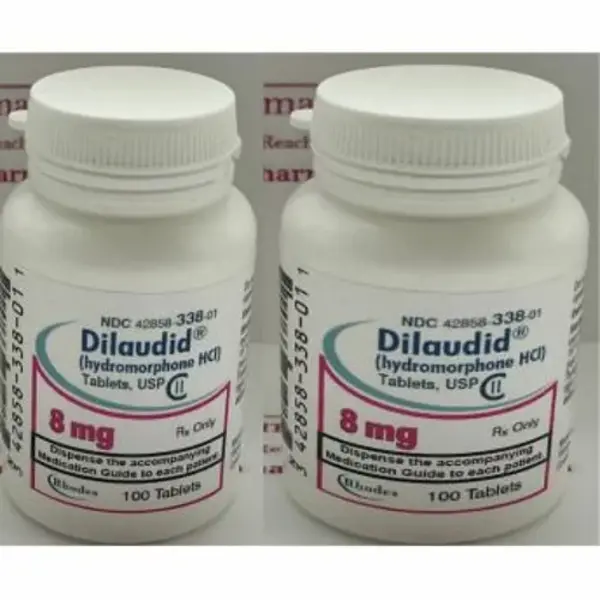
Description
Dilaudid 4 mg – Buy Dilaudid 4mg Online
Dilaudid 4 mg is a prescription formulation containing hydromorphone, a potent opioid analgesic used to manage severe pain when treatment with other pain medicines is inadequate or inappropriate.
Hydromorphone works primarily by binding to opioid receptors in the central nervous system. This changes how the brain and nervous system respond to painful stimuli, reducing both the perception of pain and the emotional response associated with pain.
Because hydromorphone is a potent opioid, it can also cause significant sedation, respiratory depression, tolerance, dependence, and overdose. It should therefore be used only under appropriate medical supervision and exactly according to the prescribing information.
What Is Dilaudid 4 mg Used For?
Dilaudid is primarily prescribed for the management of severe pain.
Hydromorphone belongs to the opioid analgesic class. It may be considered when a patient requires an opioid for pain that cannot be adequately controlled with less potent treatments.
The appropriate treatment depends on the cause and severity of pain, previous exposure to opioids, medical history, other medications, and individual response.
Dilaudid is not intended to treat the underlying cause of every type of pain. Rather, it acts on the nervous system to reduce the perception and experience of pain.
How Does Hydromorphone Work?
Hydromorphone acts primarily on mu-opioid receptors in the central nervous system.
When these receptors are activated, several changes occur in the processing of pain signals. The result is reduced transmission and perception of painful stimuli.
Opioid receptor activation can also produce other effects, including:
- Sedation
- Drowsiness
- Reduced cough reflex
- Slower gastrointestinal activity
- Changes in mood
- Respiratory depression
These additional effects explain why hydromorphone requires careful prescribing and monitoring.
Is Dilaudid Made From the Poppy Plant?
Hydromorphone is an opioid related chemically to morphine, which is derived from the opium poppy. However, describing Dilaudid simply as a medication “made using the poppy plant” is an oversimplification.
Hydromorphone is a semi-synthetic opioid derived chemically from morphine. Its pharmacological effects are similar to those of other opioid medicines, but its potency and clinical characteristics differ.
Dilaudid 4 mg and Pain Relief
The principal therapeutic effect of Dilaudid is analgesia, meaning reduction of pain.
Opioids do not necessarily eliminate the physical source of pain. Instead, they modify how the nervous system processes and perceives painful signals.
The response varies between patients. A healthcare professional determines whether hydromorphone is appropriate based on the patient’s condition and previous treatment history.
Common Side Effects
Hydromorphone can cause several side effects. Commonly reported effects include:
- Drowsiness
- Dizziness
- Nausea
- Vomiting
- Constipation
- Headache
- Dry mouth
- Sweating
- Light-headedness
These effects may be more pronounced when treatment begins or when the dose is changed.
Serious Risks
The most important serious risk associated with hydromorphone is respiratory depression, in which breathing becomes unusually slow or shallow.
This risk can be particularly significant when hydromorphone is combined with alcohol, benzodiazepines, other opioids, or other medicines that depress the central nervous system.
Emergency medical assistance should be obtained if a person taking hydromorphone becomes extremely difficult to wake, loses consciousness, or develops slow, shallow, or abnormal breathing.
Dilaudid 4 mg Interactions
Hydromorphone can interact with numerous medications and substances. The interaction list depends on the patient’s complete medication history and the specific formulation being used.
Particular caution is required with:
Other Opioids
Combining hydromorphone with other opioid medicines can increase opioid-related effects, including sedation and respiratory depression.
Buprenorphine and Other Partial Opioid Agonists
Medicines such as buprenorphine can interact with full opioid agonists and may alter their effects. Treatment decisions involving these medicines should be managed by a qualified healthcare professional.
Benzodiazepines and Sedatives
Combining hydromorphone with benzodiazepines or other central nervous system depressants can substantially increase the risk of profound sedation, respiratory depression, coma, and death.
Alcohol
Alcohol can increase the sedative and respiratory-depressant effects of hydromorphone. Alcohol should not be combined with hydromorphone unless specifically addressed by a healthcare professional.
Monoamine Oxidase Inhibitors
Patients taking or who have recently taken monoamine oxidase inhibitors (MAOIs), such as phenelzine, tranylcypromine, or selegiline, should tell their healthcare professional before receiving hydromorphone.
The exact interaction and recommended precautions depend on the medication and treatment circumstances.
Other Medicines Requiring Review
Patients should provide their doctor and pharmacist with a complete list of medications they take, including:
- Prescription medicines
- Over-the-counter medicines
- Sleeping medicines
- Anxiety medicines
- Other pain medicines
- Muscle relaxants
- Antihistamines
- Antidepressants
- Alcohol and recreational substances
- Herbal products and supplements
A medication that seems unrelated to pain can still potentially interact with an opioid.
Dependence and Withdrawal
Repeated opioid exposure can result in physical dependence. This means the body adapts to the presence of the medicine, and withdrawal symptoms may occur if treatment is suddenly stopped after regular use.
Withdrawal can involve symptoms such as:
- Restlessness
- Anxiety
- Sweating
- Runny nose
- Muscle aches
- Abdominal discomfort
- Nausea
- Diarrhoea
- Insomnia
Patients who have been taking hydromorphone regularly should not abruptly discontinue treatment without medical guidance. A healthcare professional can determine whether a gradual reduction is appropriate.
Tolerance and Opioid Use Disorder
Some patients can develop tolerance, meaning that the same dose may produce less analgesic effect over time.
Long-term opioid exposure can also contribute to opioid use disorder in susceptible individuals.
Signs that warrant discussion with a healthcare professional can include difficulty controlling opioid use, taking the medicine differently from prescribed, persistent cravings, or continuing use despite significant problems.
Safe Use of Dilaudid
Hydromorphone should be taken exactly as prescribed.
Patients should not:
- Take a larger dose than prescribed
- Take it more frequently than directed
- Share their medication
- Combine it with alcohol without medical advice
- Combine it with sedatives without professional guidance
- Drive or operate machinery if impaired
- Change the treatment schedule without consulting their prescriber
Because hydromorphone can cause serious harm when taken incorrectly, it should be stored securely and kept away from children and anyone for whom it was not prescribed.
Dilaudid 4 mg Frequently Asked Questions
What is Dilaudid 4 mg?
Dilaudid 4 mg is a prescription medicine containing hydromorphone, a potent opioid analgesic used for the treatment of severe pain in appropriate clinical circumstances.
What is hydromorphone?
Hydromorphone is a semi-synthetic opioid analgesic that primarily activates mu-opioid receptors in the central nervous system.
Is Dilaudid an opioid?
Yes. Dilaudid contains hydromorphone, which is an opioid analgesic.
What is Dilaudid used for?
It is used for the management of severe pain when an opioid analgesic is considered appropriate.
Can Dilaudid cause drowsiness?
Yes. Drowsiness, dizziness, and sedation are possible effects of hydromorphone. Patients should understand how the medicine affects them before driving or performing activities requiring alertness.
Can Dilaudid slow breathing?
Yes. Respiratory depression is one of the most serious risks associated with opioid medicines, particularly when hydromorphone is combined with alcohol, benzodiazepines, or other central nervous system depressants.
Can Dilaudid cause dependence?
Yes. Regular opioid exposure can result in physical dependence and, in some individuals, opioid use disorder.
Can Dilaudid be stopped suddenly?
Stopping an opioid abruptly after regular use can produce withdrawal symptoms. Patients should discuss discontinuation with their healthcare professional.
What should you do if someone takes too much hydromorphone?
A suspected opioid overdose is a medical emergency. Emergency medical services should be contacted immediately. If naloxone is available and appropriate, it should be administered according to its instructions while emergency assistance is obtained.
Final Considerations
Dilaudid 4 mg contains hydromorphone, a potent opioid used medically for severe pain. It works by activating opioid receptors and changing the way the nervous system processes painful stimuli.
While hydromorphone can provide effective analgesia when appropriately prescribed, it carries important risks including sedation, respiratory depression, constipation, tolerance, physical dependence, and overdose.
Patients should use Dilaudid only according to their healthcare professional’s instructions and should disclose all other medications and substances they use. Any concerns about interactions, side effects, dependence, or discontinuation should be discussed with a doctor or pharmacist.
Drinking alcohol or using street drugs while taking Dilaudid increases your risk of serious, life-threatening side effects.
Dilaudid may also make you drowsy. You should exercise caution when driving or operating machinery.
Buy Dilaudid 4mg Online
Dosage Dilaudid
- Immediate-release tablets: Take 2 to 4 mg tablets by mouth every 4 to 6 hours as needed. Increase to 8 mg after careful observation and if needed to control pain.
- Extended-release tablets: Start after discontinuation of all other opioid extended-release tablets. Dosed once daily, individualized based on prior opioid therapy.
- Injections: Give 1 to 2 mg intramuscularly or subcutaneously every 2 to 3 hours as needed. Give 0.2 to 1 mg intravenously over 2 to 3 minutes every 2 to 3 hours as needed.
- Oral solution: Give 2.5 to 10 mg every 3 to 6 hours as needed.
- Rectal suppository: Insert one 3 mg suppository rectally every 6 to 8 hours OR 3 to 6 mg every 3 to 4 hours, when appropriate.
Side effects Dilaudid 4mg
Generally, Dilaudid 4mg is relatively well tolerated but can cause some side effects. Among the most common effects include:
- Lightheadedness
- Dizziness
- Sedation
- Nausea
- Vomiting
- Constipation
- Sweating
- Flushing
- Itching
- Dry mouth
Other serious side effects:
Other serious and important side effects of hydromorphone are respiratory depression and trouble breathing.
Since Dilaudid 4mg is a controlled narcotic, it carries a box warning of respiratory depression and abuse potential.
Use of alcohol or other medications affecting the central nervous system can worsen respiratory depression and may lead to death. You can use Methadone also.
Dilaudid price, Dilaudid near me, Dilaudid for sale in uk





Reviews
There are no reviews yet.